Hybrid vs. Gas: The 2026 Honest Buyer’s Guide to Savings
Is a hybrid worth the extra cost in 2026? We break down the real-world fuel savings, reliability, and long-term value to help you make the right choice.
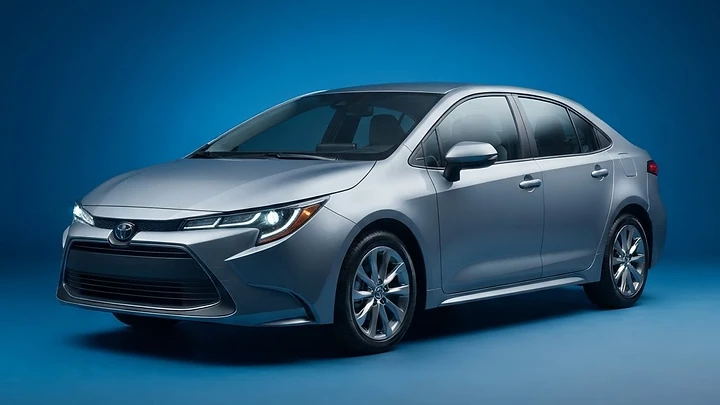
There is a quiet revolution happening on the American road. As you pull up to a stoplight, the silence of an electric motor transitioning seamlessly into a gasoline engine is more than just a technical feat; it is the sound of a smarter, more efficient future. For the modern American buyer, the choice between a traditional internal combustion engine and a hybrid powertrain has never been more significant. With gas prices fluctuating and technology advancing at a breakneck pace, understanding the true value of your next vehicle is essential for your peace of mind and your wallet.
The Real Math: When Does a Hybrid Pay Off?
The primary question for most buyers is simple: does the higher sticker price of a hybrid actually pay for itself? In 2026, the gap between gas and hybrid models has narrowed, but it still exists. For instance, a base 2026 Toyota Corolla LE starts around $24,595, while the hybrid variant commands a premium. However, when you factor in the 50 mpg combined rating of the hybrid versus the 34 mpg of the gas model, the math begins to shift in your favor. If you drive 12,000 miles annually, the fuel savings can recoup that initial investment in roughly three years. Beyond the pump, hybrids often benefit from higher resale values, as demand for fuel-efficient vehicles remains consistently high in the used-car market. 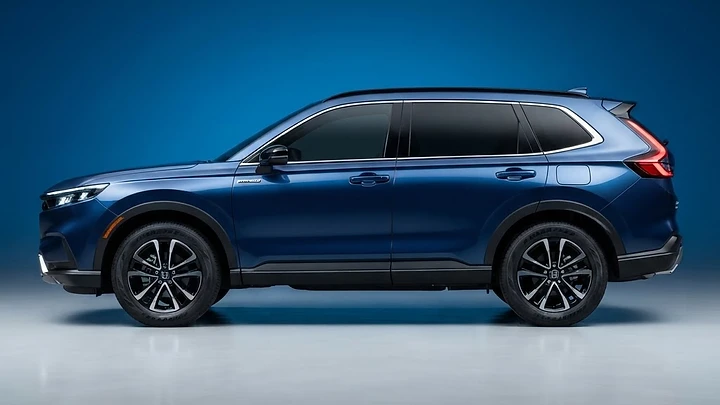
Reliability: The Hidden Advantage of Hybrid Tech Many buyers worry that adding a battery and electric motor increases the risk of mechanical failure.
Surprisingly, data from 2026 suggests the opposite. Hybrids, which have been refined over decades by manufacturers like Toyota and Hyundai, often prove more reliable than their gas-only counterparts. Because the electric motor handles the heavy lifting during stop-and-go traffic, the gasoline engine experiences less wear and tear. While plug-in hybrids (PHEVs) can be more complex, standard self-charging hybrids are currently among the most dependable vehicles on the road, offering a stress-free ownership experience that keeps you out of the repair shop and on the open road. 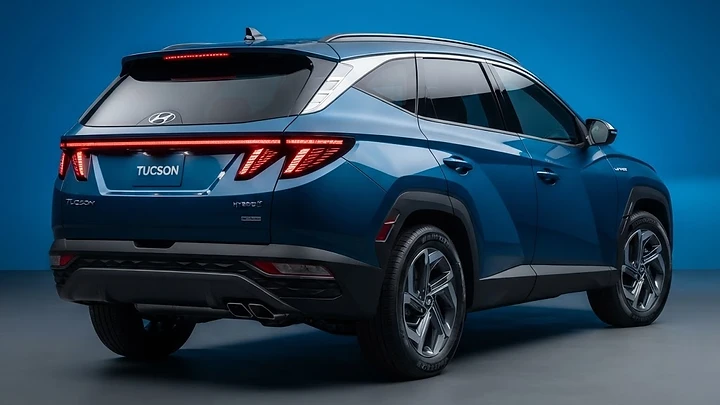

Driving Dynamics and Daily Comfort Modern hybrids are no longer the sluggish, uninspiring commuters of the past.
Today’s models, such as the 2026 Honda CR-V Hybrid or the 2026 Hyundai Tucson Hybrid, offer instant torque that makes merging onto highways feel effortless and exhilarating. The integration of electric power provides a smooth, quiet cabin environment that reduces driver fatigue on long family road trips. Whether you are navigating tight city streets or cruising across state lines, the refined engineering of a 2026 hybrid ensures that you don't have to sacrifice performance or comfort to achieve superior fuel economy. 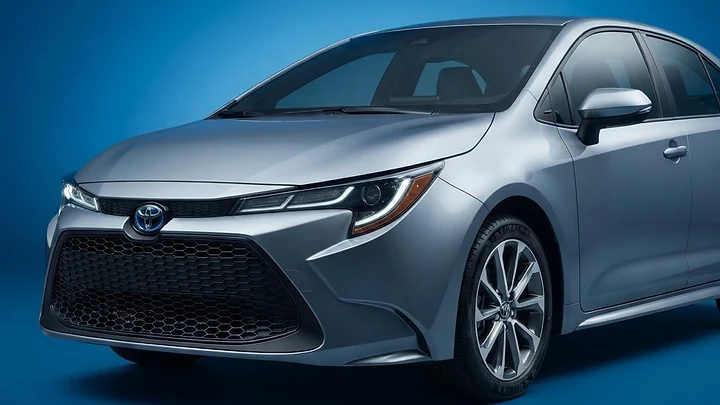

Frequently Asked Questions
Do I need a special charger for a hybrid?
No. A standard self-charging hybrid uses regenerative braking to charge its battery while you drive. You only need a charger if you purchase a Plug-In Hybrid (PHEV), which allows you to plug into a standard wall outlet or a dedicated home charging station. #
Are hybrids more expensive to insure?
Generally, no. While the vehicle's purchase price might be higher, insurance premiums are based on safety ratings, repair costs, and theft rates. Many hybrids are considered low-risk, family-friendly vehicles, which can keep your premiums competitive. #
How long do hybrid batteries last?
Most manufacturers offer extensive warranties on hybrid batteries, often covering them for 8 to 10 years or 100,000 miles. In practice, many modern hybrid batteries are designed to last the entire lifespan of the vehicle. #
Is a hybrid better for city or highway driving?
Hybrids excel in city driving because they can rely heavily on electric power during stop-and-go traffic. However, modern hybrids are also highly efficient on the highway, making them versatile choices for any commute. 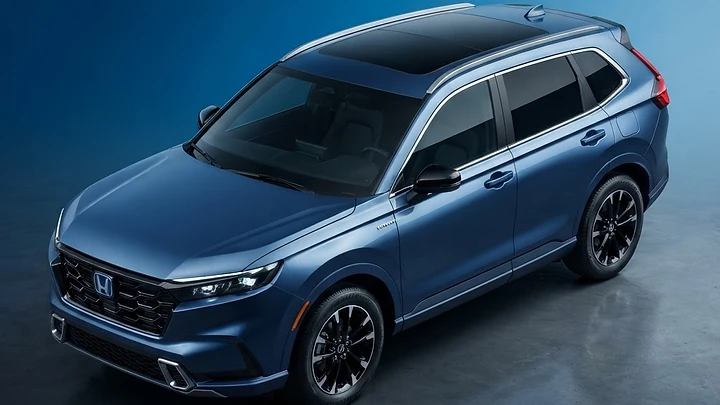

The Bottom Line If you are looking for a vehicle that balances long-term financial sense with modern performance, a 2026 hybrid is likely your best move.
While the upfront cost is slightly higher, the combination of lower fuel expenses, superior reliability, and strong resale value makes it a transparent, smart investment. For the average American family, a hybrid offers the perfect bridge to the future—providing the freedom of the open road without the constant anxiety of rising fuel costs. Choose the model that fits your lifestyle, and enjoy the peace of mind that comes with driving a vehicle built for the long haul.
The cars in this story
The real price and honest verdict on each one
- 2026 Honda CR-VCompact SUV · from $30,920
- 2026 Toyota CorollaCompact Sedan · from $22,475
- 2026 Hyundai TucsonCompact SUV · from $29,450
- 2026 Dodge ChargerSports Car · from $49,995
More car news

EV Tires: The 2026 Honest Buyer’s Guide to Replacement
Confused about EV tires? Learn why electric vehicles wear tires differently and how to choose the right replacements to maintain range, safety, and comfort.

Hybrid vs Gas: The 2026 Honest Buyer’s Guide to Savings
Is a hybrid worth the extra cost in 2026? We break down the real-world math, maintenance, and ownership costs to help you make the right choice.

Buying a Hybrid in 2026: The Honest Buyer’s Reality Check
Thinking about a hybrid? With gas prices fluctuating and tax credits gone, here is the honest truth about buying a hybrid car in 2026 to save you money.