Hybrid vs Gas: Is the 2026 Hybrid Premium Worth It?
Considering a 2026 hybrid? We break down the real-world fuel savings, maintenance costs, and resale value to see if the hybrid premium is worth your money.
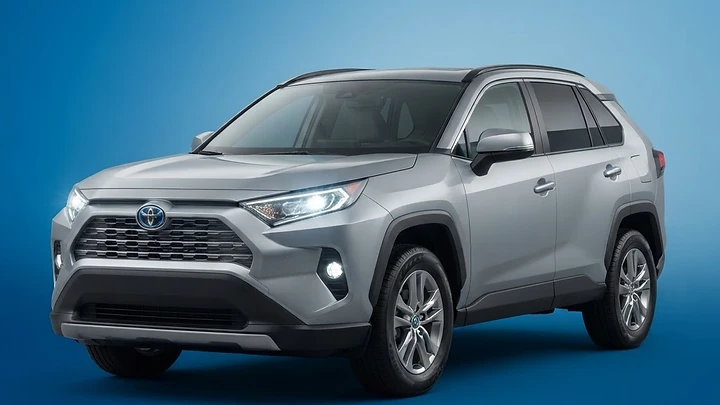
There is a specific, quiet magic to pulling away from a stoplight in a modern hybrid. The engine remains dormant, a silent partner in your journey, as the electric motor whisks you forward with an effortless, immediate surge of torque. It is a reminder that the open road doesn't have to be a noisy, fuel-guzzling affair; it can be a seamless blend of engineering precision and environmental mindfulness. For the American family, this isn't just about saving a few dollars at the pump—it is about reclaiming the joy of the drive while keeping your budget firmly in the black. As we navigate the 2026 model year, the choice between a traditional internal combustion engine (ICE) and a hybrid powertrain has never been more nuanced or more important for your long-term financial health.
The 2026 Hybrid Landscape: Why Everyone Is Switching The automotive market is shifting beneath our feet.
With gas prices remaining volatile and the infrastructure for full electric vehicles still maturing, hybrids have emerged as the goldilocks solution for millions of Americans. In 2026, hybrids are on pace to outsell electric vehicles by roughly 3 to 1. This isn't just a trend; it is a pragmatic response to the need for efficiency without the anxiety of finding a charging station. Whether you are looking at the 2026 Toyota RAV4, which has transitioned to a hybrid-only lineup, or the versatile 2026 Honda CR-V Hybrid, the technology has reached a level of refinement where the transition is virtually invisible to the driver. 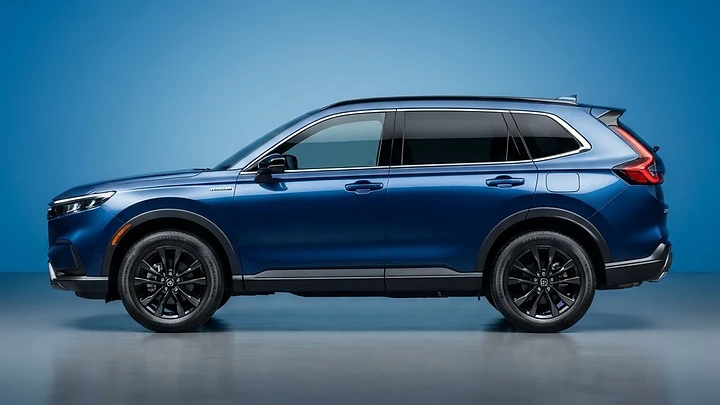
Crunching the Numbers: The Real Cost of Ownership When you walk into a dealership, the sticker price is the first hurdle.
A 2026 Toyota Corolla Hybrid LE starts at approximately $25,970, while its gas-only counterpart sits at $24,595. That $1,375 premium can feel like a sting, but it is essential to look at the total cost of ownership. If you drive 15,000 miles a year, the hybrid’s superior fuel economy—often reaching 50 mpg combined compared to 34 mpg for the gas model—can save you nearly $500 annually in fuel costs. Over three years, you have effectively erased that initial price gap. Beyond the pump, hybrids often benefit from fewer moving parts in the drivetrain, such as the absence of a traditional starter motor or alternator, which can lead to lower long-term maintenance costs. 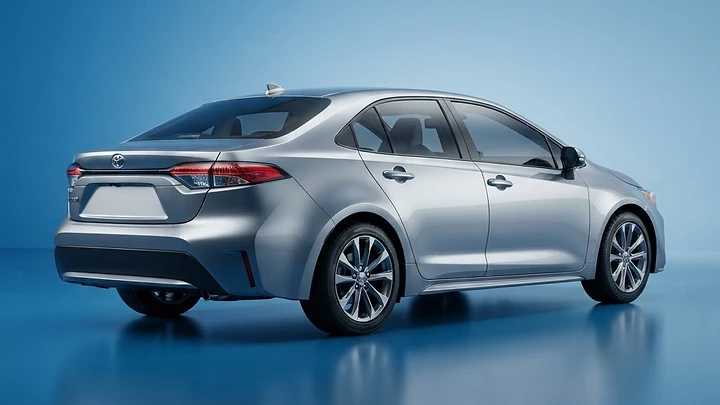

Driving Dynamics: Is Something Lost?
There is a common myth that hybrids are dull to drive. While it is true that some earlier models prioritized efficiency at the expense of engagement, the 2026 crop of hybrids tells a different story. The electric motor provides instant torque, making city driving feel punchy and responsive. Models like the 2026 Honda Accord Hybrid offer a sophisticated driving experience that balances comfort with a surprising amount of agility. While you might notice a different feel in the regenerative braking system compared to a standard gas car, most drivers adapt within a single afternoon of commuting. It is a trade-off that rewards you with a quieter cabin and a smoother ride. 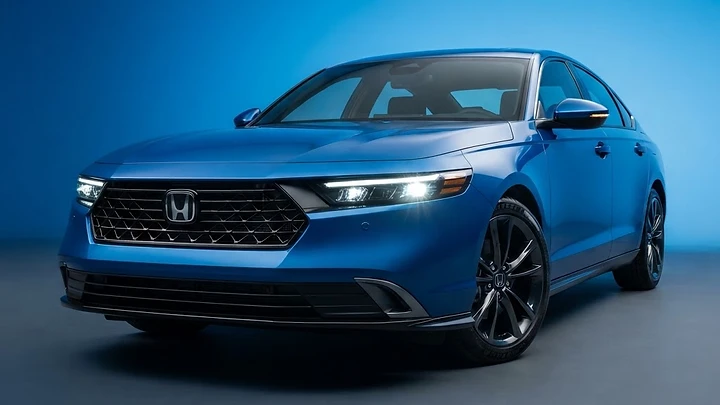

Resale Value and Long-Term Reliability One of the most compelling arguments for the hybrid is its staying power.
Toyota and Honda have spent decades perfecting their hybrid systems, and the market has taken notice. Used hybrid SUVs and sedans consistently retain their value better than their gas-only equivalents because buyers are increasingly seeking out these fuel-sipping workhorses. When you invest in a hybrid today, you aren't just buying a car for the next three years; you are buying an asset that remains desirable in the secondary market. This is a critical factor for families who plan to trade in or sell their vehicle within five to seven years. 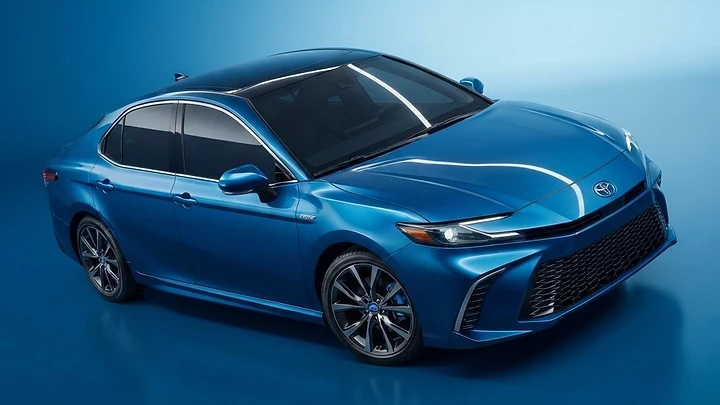

Frequently Asked Questions
Is a hybrid more expensive to maintain than a gas car?
Generally, no. Hybrids often have lower maintenance costs because regenerative braking reduces wear on brake pads, and the lack of traditional components like belts and alternators simplifies the engine bay. #
How long do hybrid batteries last?
Most manufacturers offer warranties on hybrid batteries for 8 to 10 years or 100,000 to 150,000 miles. By the time a battery might need replacement, the fuel savings have usually far exceeded the cost of the unit. #
Do I need to change my driving habits for a hybrid?
Not at all. You fuel a hybrid exactly like a gas car. There is no plugging in, no range anxiety, and no need to learn new technology. It is a seamless transition. #
Are hybrids better for highway driving?
While hybrids excel in city traffic due to stop-and-go efficiency, modern hybrids are highly efficient on the highway as well. If you do a mix of both, you will see significant savings regardless of your commute.
The Bottom Line If you are a high-mileage driver or a family looking to insulate your budget from fluctuating gas prices, the 2026 hybrid is an easy recommendation.
The initial price premium is smaller than ever, and the fuel savings, combined with superior resale value, make it a financially sound decision. For the average American buyer, the hybrid offers the perfect bridge to a more efficient future without asking you to compromise on convenience or capability.
The cars in this story
The real price and honest verdict on each one
- 2026 Toyota CorollaCompact Sedan · from $22,475
- 2026 Honda CR-VCompact SUV · from $30,920
- 2026 Honda AccordMid-Size Sedan · from $28,395
- 2026 Toyota RAV4Compact SUV · from $31,900
More car news

Why Hybrids Are Winning the 2026 Car Market: An Honest Guide
Confused by the shift in the 2026 car market? Discover why hybrids are currently the smartest, most budget-friendly choice for American drivers today.

Hybrid vs Gas: The 2026 Honest Buyer’s Guide to Savings
Is a hybrid worth the extra cost in 2026? We break down the real-world fuel savings, depreciation, and ownership costs to help you make the right choice.

Hybrid vs Plug-in Hybrid: The 2026 Honest Buyer’s Guide
Confused by hybrid options? We break down the real-world costs, reliability, and driving habits to help you choose the right 2026 hybrid for your lifestyle.