Hybrid vs. Gas: The 2026 Honest Buyer’s Guide to Savings
Confused by the 2026 car market? We break down the real-world costs of hybrids versus gas cars to help you make the smartest financial choice for your family.
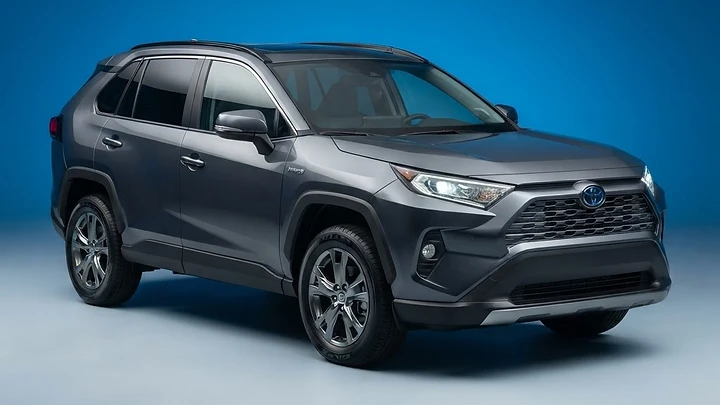
There is a specific kind of magic in the early morning light hitting a fresh coat of paint on a new car, a promise of miles yet to be traveled and memories waiting to be made. For the American car buyer in 2026, that promise is often clouded by a complex landscape of powertrain choices. As hybrid sales continue to climb—capturing a record 16% of the market—many buyers are asking if the traditional gas engine is becoming a relic or if it remains the most pragmatic choice for their lifestyle. At Carummah, we believe in transparency, not trends. Whether you are eyeing a fuel-sipping hybrid or a reliable gas-powered SUV, the decision should be rooted in your actual driving habits, not just the sticker on the window.
The Real-World Math: Hybrid vs.
Gas Efficiency In 2026, the gap between hybrid and gas efficiency has never been more nuanced. A standard 2026 Toyota RAV4 Hybrid, starting around $32,000, offers an impressive 41 MPG combined, while its gas-only counterpart sits closer to 30 MPG. Over a five-year ownership period, the fuel savings are undeniable, but they must be weighed against the initial price premium. For the average American driving 15,000 miles annually, the hybrid can save you hundreds at the pump each year. However, if your driving is primarily highway-based, the efficiency advantage of a hybrid’s regenerative braking system is minimized, potentially extending your break-even point beyond the time you plan to own the vehicle. 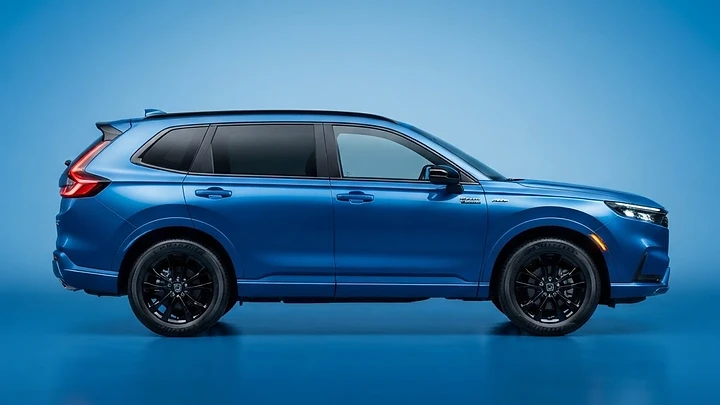
Maintenance and Long-Term Reliability One of the most common questions we hear is whether the added complexity of a hybrid system leads to higher repair bills.
Modern hybrids, such as the 2026 Honda CR-V Hybrid, have proven remarkably robust. Because the electric motor handles much of the stop-and-go work, your brake pads often last significantly longer than those on a traditional gas vehicle. Conversely, gas-powered vehicles like the 2026 Ford Explorer offer a simpler mechanical architecture that many independent mechanics are more comfortable servicing. When considering long-term value, remember that hybrid battery technology has matured, with most manufacturers offering 8-year/100,000-mile warranties, providing peace of mind that was once a major concern for early adopters. 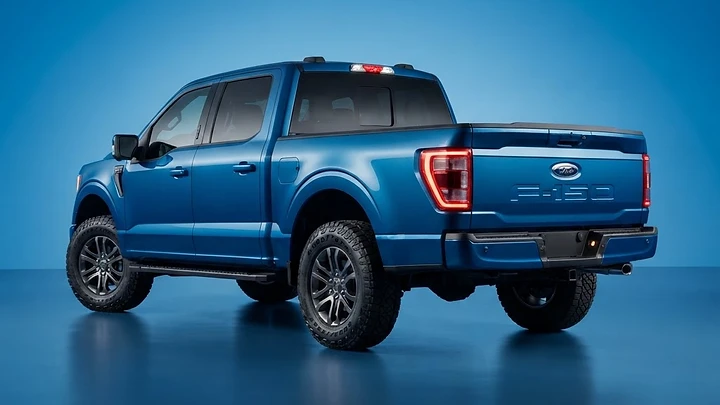

Driving Dynamics and Daily Utility Beyond the numbers, how does the car actually feel?
Hybrids provide an immediate, smooth torque delivery that makes city driving feel effortless and quiet. If you live in a dense urban environment, the silence of a hybrid in traffic is a genuine luxury. However, if you crave the visceral connection of a traditional engine or need to tow heavy loads, a gas-powered truck or large SUV remains the gold standard. The 2026 Ford F-150, for instance, offers a level of raw capability that current hybrid systems in the same price bracket struggle to match under heavy strain. Your choice should reflect whether you prioritize serene efficiency or rugged, uncompromised power. 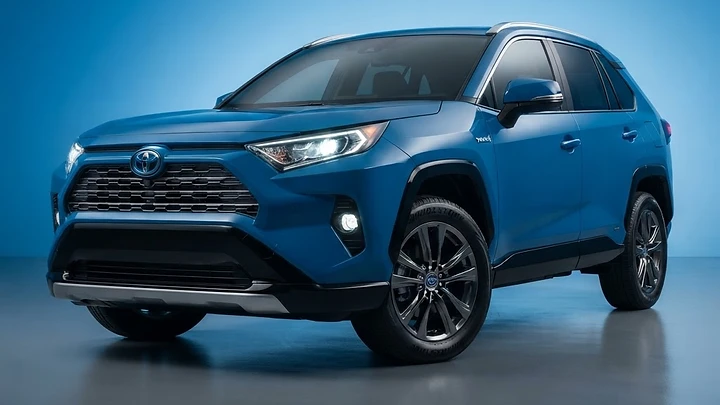

Financing and Market Resale Value When you walk into a dealership, the "out-the-door" price is only half the story.
Currently, hybrid models often command higher resale values due to sustained demand for fuel efficiency. When financing, look closely at the interest rates; some manufacturers offer aggressive incentives on gas models to clear inventory, which can sometimes offset the fuel savings of a hybrid. Always calculate your total cost of ownership—including insurance, which can vary based on the vehicle's repair costs—before signing any paperwork. Transparency is your best defense against dealership pressure. 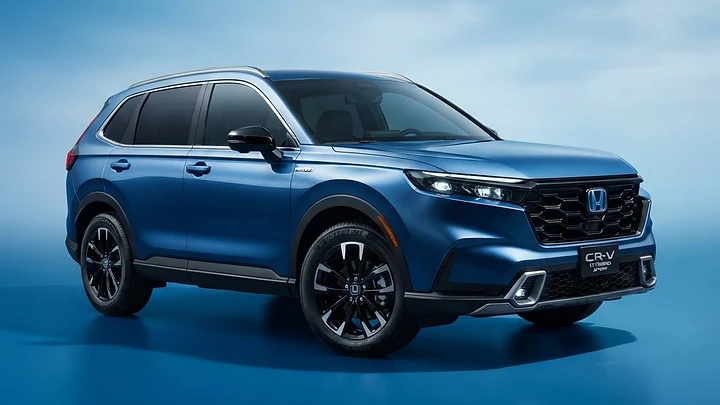

Frequently Asked Questions
Is a hybrid really cheaper to own than a gas car?
It depends on your driving habits. If you do a lot of city driving, the fuel savings usually outweigh the higher purchase price within 3 to 5 years. For highway-heavy drivers, the savings are much slower to materialize. #
Do hybrids require special maintenance?
Not really. They require the same oil changes and tire rotations as gas cars. The main difference is that the regenerative braking system reduces wear on your brake pads, saving you money over time. #
Are hybrid batteries expensive to replace?
While they are a significant component, most 2026 models come with extensive warranties. By the time a battery might need replacement, the vehicle is often at the end of its typical ownership cycle for the first buyer. #
Can I use a hybrid for long road trips?
Absolutely. Because hybrids use a gasoline engine to supplement the electric motor, you have the same range and refueling convenience as a traditional gas car, with no need to worry about charging infrastructure.
The Bottom Line The choice between a hybrid and a gas vehicle in 2026 is no longer about "saving the planet" versus "saving money." It is about matching your vehicle to your life. If your daily routine involves city commuting and you value a quiet, smooth ride, the 2026 hybrid lineup offers incredible value and long-term reliability. If you prioritize lower upfront costs, simple maintenance, or heavy-duty towing, a modern gas-powered vehicle remains a fantastic, honest choice. Buy for your needs, not for the hype.
The cars in this story
The real price and honest verdict on each one
- 2026 Honda CR-VCompact SUV · from $30,920
- 2026 Ford F-150Full-Size Pickup · from $39,330
- 2026 Toyota RAV4Compact SUV · from $31,900
- 2026 Ford ExplorerMid-Size SUV · from $38,465
More car news

EV Tires: The 2026 Honest Buyer’s Guide to Replacement
Confused about EV tires? Learn why electric vehicles wear tires differently and how to choose the right replacements to maintain range, safety, and comfort.

Hybrid vs Gas: The 2026 Honest Buyer’s Guide to Savings
Is a hybrid worth the extra cost in 2026? We break down the real-world math, maintenance, and ownership costs to help you make the right choice.

Buying a Hybrid in 2026: The Honest Buyer’s Reality Check
Thinking about a hybrid? With gas prices fluctuating and tax credits gone, here is the honest truth about buying a hybrid car in 2026 to save you money.