Hybrid vs Plug-in Hybrid: Which 2026 Model Fits Your Life?
Confused by hybrid options? We break down the real-world differences between standard and plug-in hybrids to help you choose the right 2026 vehicle.
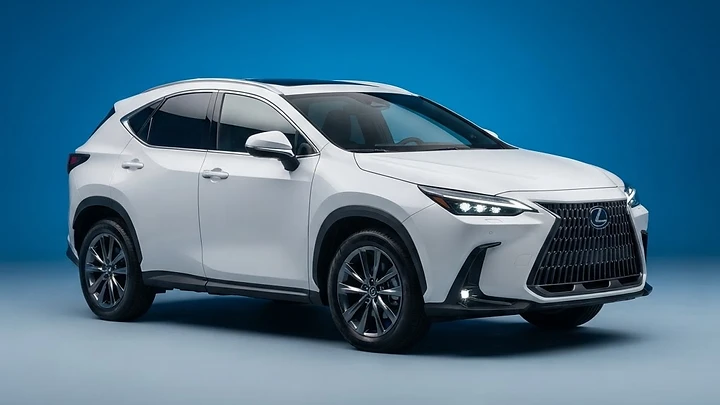
There is a quiet magic in the way a modern hybrid glides away from a stoplight, the electric motor humming with a futuristic energy that feels like the dawn of a new era. As you merge onto the highway, the seamless transition to gasoline power reminds you that you are driving a marvel of engineering—a machine designed to bridge the gap between the familiar roar of the past and the silent efficiency of the future. For the American car buyer in 2026, the choice between a standard hybrid and a plug-in hybrid (PHEV) is no longer just about fuel economy; it is about how you want to interact with the world around you. With hybrid sales reaching a record 16% of the market in mid-2026, it is clear that drivers are prioritizing efficiency without the range anxiety that can sometimes accompany fully electric vehicles.
Understanding the Hybrid Landscape in 2026 The automotive market has shifted significantly.
While battery electric vehicle (BEV) sales have faced headwinds following the expiration of certain federal tax credits, hybrids have surged in popularity. A standard hybrid, often called a 'self-charging' hybrid, uses a small battery that is recharged solely through regenerative braking and the gasoline engine. You never plug it in. Conversely, a plug-in hybrid (PHEV) features a larger battery that you can charge at home or a public station, allowing for 20 to 40 miles of pure electric driving before the gas engine takes over. If your daily commute is short, a PHEV like the 2026 Lexus NX 450h+ can effectively function as an EV for your morning run, while still offering the freedom of a gas tank for long-distance road trips. 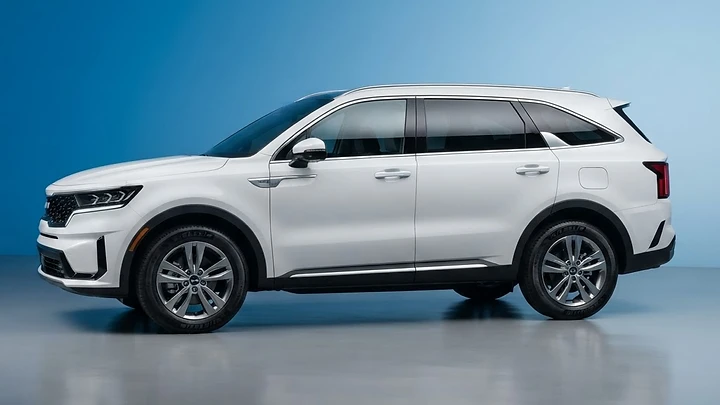
The Math of Ownership: Is the Premium Worth It?
When you look at the sticker price, PHEVs generally command a higher upfront cost than their standard hybrid counterparts. For example, a 2026 Kia Sorento Hybrid offers incredible value for families, but the plug-in variant requires a larger initial investment. To determine if the extra cost is worth it, you must calculate your 'electric-only' usage. If you have a home charger and a commute under 30 miles, the fuel savings can be substantial over a five-year ownership period. However, if you lack home charging access, the added weight and cost of the larger PHEV battery may not provide a return on investment compared to a highly efficient standard hybrid like the Toyota Camry or Honda CR-V. 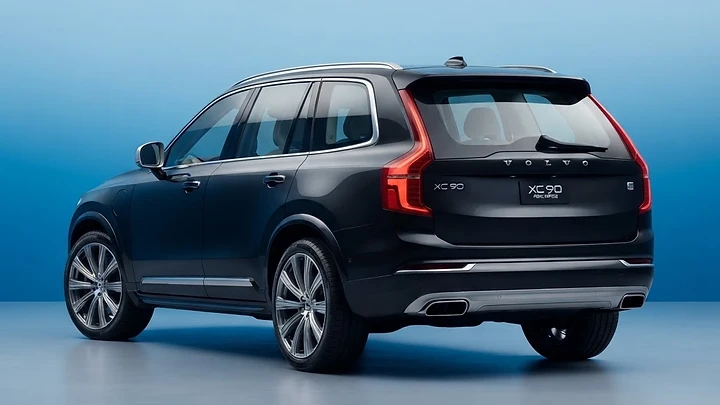

Real-World Performance and Family Needs For families, space and reliability are paramount.
The 2026 Volvo XC90 Recharge stands out as a luxury 3-row option that balances power with efficiency, proving that you do not have to sacrifice utility for a greener footprint. When shopping, consider the total range. A standard hybrid is often lighter and more agile, while a PHEV provides that 'EV-lite' experience that many drivers find addictive. Always check the combined MPG ratings, but remember that your personal driving habits—heavy city traffic versus open highway cruising—will dictate your actual savings at the pump. 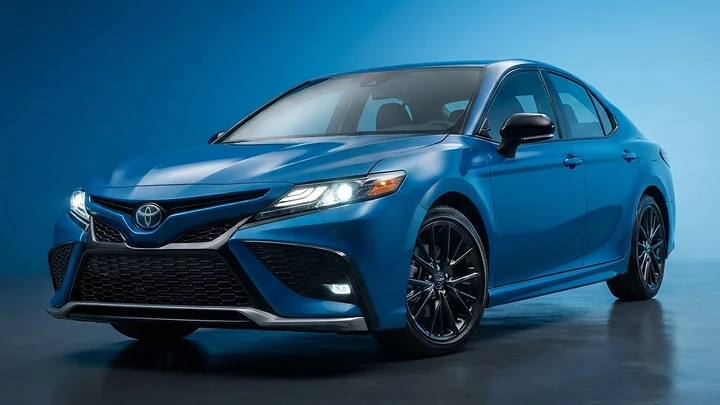

Frequently Asked Questions
Do I need a special charger for a plug-in hybrid?
No, most PHEVs can be charged using a standard 120-volt household outlet, though a dedicated 240-volt Level 2 charger will significantly reduce charging times. #
Which is better for long road trips?
Both are excellent, but standard hybrids are often preferred for long-distance travel because they do not require you to stop and charge to maintain maximum efficiency. #
Do hybrids hold their value better than gas cars?
Yes, data from 2026 shows that high-mileage hybrids and PHEVs are retaining value better than traditional internal combustion vehicles as fuel costs remain a primary concern for buyers. #
Can I use a PHEV if I can't charge at home?
You can, but you will essentially be driving a heavier, more expensive standard hybrid. The primary benefit of a PHEV is the ability to drive on electricity, which requires regular charging. 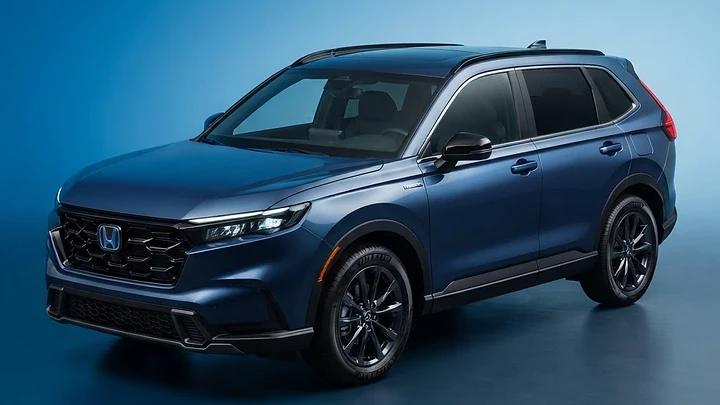

The Bottom Line Choosing between a hybrid and a plug-in hybrid comes down to your infrastructure and your daily routine.
If you have a garage with a power outlet and a short commute, the 2026 plug-in hybrid experience is hard to beat for its blend of electric silence and gas-powered freedom. If you want a 'set it and forget it' vehicle that maximizes efficiency without changing your lifestyle, a standard hybrid remains the gold standard for American families. Focus on your budget, your charging capability, and your typical driving distance to make the choice that keeps your wallet and your conscience clear.
The cars in this story
The real price and honest verdict on each one
- 2026 Volvo XC90Three-Row Luxury SUV · from $60,950
- 2026 Kia SorentoMid-Size SUV · from $31,990
- 2026 Toyota CamryMid-Size Sedan · from $28,850
- 2026 Honda CR-VCompact SUV · from $30,920
More car news

EV Tires: The 2026 Honest Buyer’s Guide to Replacement
Confused about EV tires? Learn why electric vehicles wear tires differently and how to choose the right replacements to maintain range, safety, and comfort.

Hybrid vs Gas: The 2026 Honest Buyer’s Guide to Savings
Is a hybrid worth the extra cost in 2026? We break down the real-world math, maintenance, and ownership costs to help you make the right choice.


Buying a Hybrid in 2026: The Honest Buyer’s Reality Check
Thinking about a hybrid? With gas prices fluctuating and tax credits gone, here is the honest truth about buying a hybrid car in 2026 to save you money.