Hydrogen vs Electric Cars: Which Is Right for You in 2026?
Confused by the hydrogen vs electric car debate? We break down the real-world pros, cons, and ownership realities for American buyers in 2026.
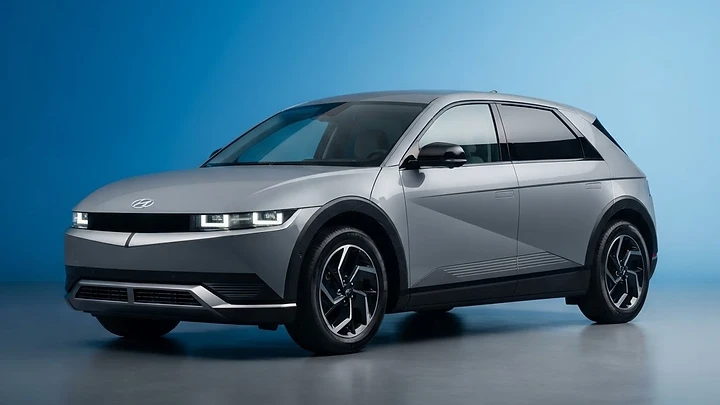
Imagine pulling up to a station, the morning mist clinging to the pavement, and refueling your vehicle in the same time it takes to grab a coffee. For decades, the promise of hydrogen fuel-cell electric vehicles (FCEVs) has whispered of a future where we enjoy the silence and instant torque of an electric motor without the long wait at a charging plug. As we navigate the 2026 automotive landscape, the choice between battery-electric vehicles (BEVs) and hydrogen-powered cars has become a central question for forward-thinking buyers. While BEVs like the Tesla Model Y or the Hyundai Ioniq 5 have captured the public imagination, hydrogen technology remains a fascinating, albeit niche, alternative that challenges our traditional understanding of clean mobility.
Understanding the Core Difference: BEV vs.
FCEV At their heart, both BEVs and FCEVs are electric vehicles; they both use electric motors to turn the wheels. The fundamental difference lies in how they store and deliver that energy. A BEV, such as the 2026 Ford Mustang Mach-E, stores electricity directly in a large lithium-ion battery pack. You plug it into a wall or a DC fast charger, and the energy flows from the grid into your car. An FCEV, like the Toyota Mirai, carries compressed hydrogen gas in a high-pressure tank. Inside the vehicle, a fuel-cell stack combines this hydrogen with oxygen from the air to generate electricity on the fly. The only byproduct of this chemical reaction is pure water vapor, making it a truly zero-tailpipe-emission machine. 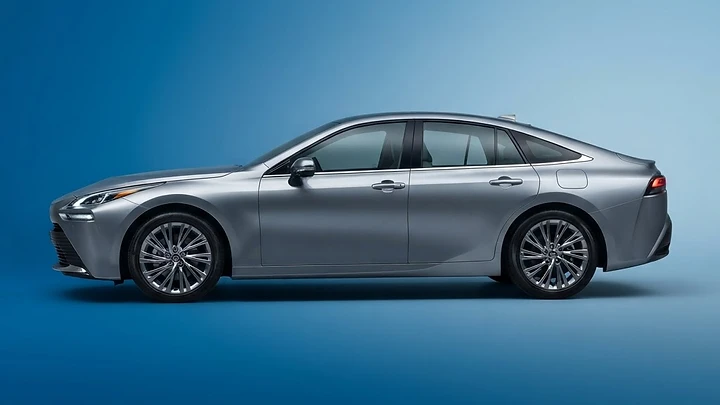
The Ownership Experience: Refueling vs.
Charging For most American families, the biggest hurdle to EV adoption is the "charging anxiety" associated with long road trips. This is where the FCEV shines. Refueling a hydrogen vehicle takes roughly five minutes—a process nearly identical to filling up a gas-powered sedan. For those who live in regions with established hydrogen infrastructure, such as parts of California, the convenience is undeniable. However, the reality for the vast majority of the U.S. is that public hydrogen stations are incredibly scarce compared to the rapidly expanding network of EV chargers. While a 2026 BEV owner can charge at home overnight, an FCEV owner is entirely dependent on a specialized, often expensive, and geographically limited refueling network. 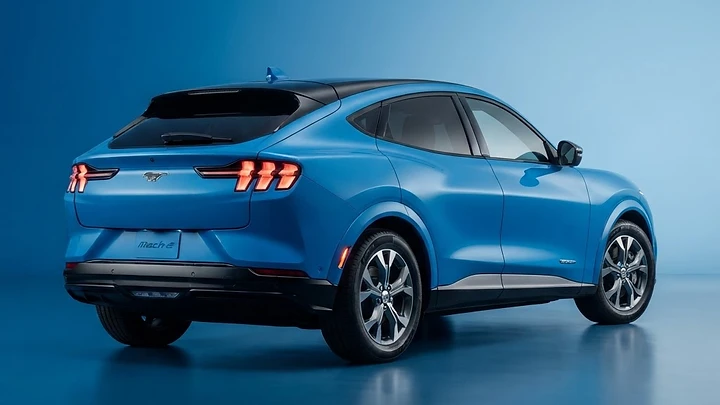

Efficiency and the Energy Chain When we look at the "well-to-wheel" efficiency, the math heavily favors the battery-electric vehicle.
Because electricity is generated, transmitted, and stored directly in a BEV, the energy loss is minimal. Hydrogen, by contrast, requires a complex chain: producing the hydrogen (often via electrolysis), compressing it, transporting it to a station, and then converting it back into electricity inside the car. This multi-step process is inherently less efficient. Studies suggest that FCEVs can use two to three times more energy per mile than a comparable BEV. For the environmentally conscious buyer, this efficiency gap is a critical factor in determining the true carbon footprint of your vehicle over its lifetime. 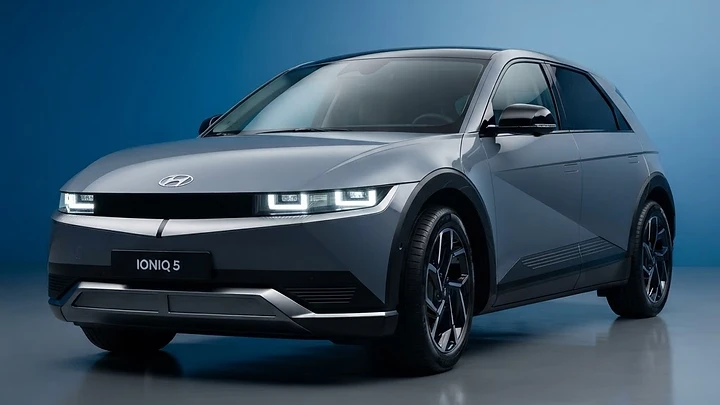

Is Hydrogen the Future of Personal Transport?
While hydrogen is gaining significant traction for heavy-duty freight, shipping, and long-haul trucking—where battery weight becomes a prohibitive factor—its role in the passenger car market remains limited. Major manufacturers like Toyota and Hyundai continue to innovate in this space, but the current market trajectory suggests that BEVs will dominate the passenger vehicle sector for the foreseeable future. If you are considering an FCEV today, you are essentially an early adopter in a specialized ecosystem. It is a bold choice, but one that requires a lifestyle perfectly aligned with existing hydrogen infrastructure. 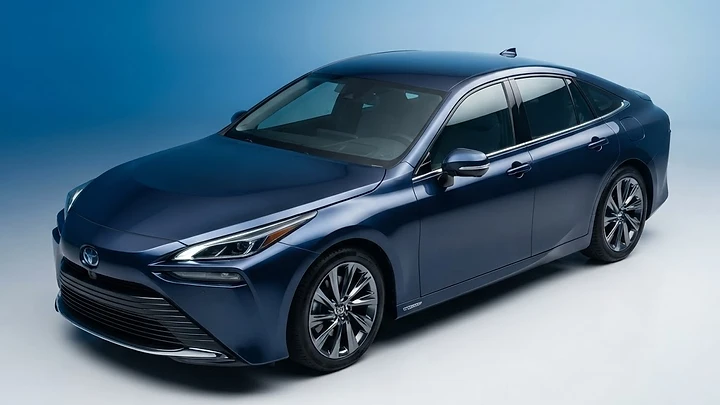

Frequently Asked Questions
Can I charge a hydrogen car at home?
No. Unlike a BEV, which can be charged via a standard or Level 2 home charger, hydrogen vehicles require specialized high-pressure refueling stations that are not currently available for residential installation. #
Which is cheaper to fuel: hydrogen or electricity?
Generally, electricity is significantly cheaper per mile. Hydrogen fuel is currently expensive to produce and distribute, often resulting in higher "per-fill" costs compared to the cost of charging a battery-electric vehicle at home. #
Do hydrogen cars have the same range as EVs?
Yes, they are competitive. Many FCEVs, such as the Toyota Mirai, offer an EPA-estimated range of up to 400 miles, which is comparable to many long-range BEVs on the market today. #
Are hydrogen cars safer than electric cars?
Both technologies are subject to rigorous safety standards. Hydrogen tanks are engineered to be incredibly durable, and BEV battery packs are protected by reinforced chassis structures. Both are considered safe for daily road use.
The Bottom Line For 99% of American car buyers in 2026, a battery-electric vehicle is the more practical, cost-effective, and sustainable choice.
The infrastructure for charging is growing exponentially, and the efficiency of BEVs is unmatched. However, if you live in a specific region with hydrogen access and value the five-minute refueling experience above all else, an FCEV offers a unique, high-tech ownership experience that feels like a glimpse into a different kind of future.
The cars in this story
The real price and honest verdict on each one
- 2026 Ford MustangSports Car · from $32,640
- 2026 Ford Mustang Mach-EElectric SUV · from $39,840
- 2026 Dodge ChargerSports Car · from $49,995
- 2026 Tesla Model YSUV · from $44,990
More car news

EV Tires: The 2026 Honest Buyer’s Guide to Replacement
Confused about EV tires? Learn why electric vehicles wear tires differently and how to choose the right replacements to maintain range, safety, and comfort.

Hybrid vs Gas: The 2026 Honest Buyer’s Guide to Savings
Is a hybrid worth the extra cost in 2026? We break down the real-world math, maintenance, and ownership costs to help you make the right choice.


Buying a Hybrid in 2026: The Honest Buyer’s Reality Check
Thinking about a hybrid? With gas prices fluctuating and tax credits gone, here is the honest truth about buying a hybrid car in 2026 to save you money.