Is a Hybrid Worth It? The 2026 Honest Buyer’s Guide
Considering a hybrid in 2026? We break down the real-world fuel savings, maintenance costs, and ownership value to help you decide if it's the right choice.
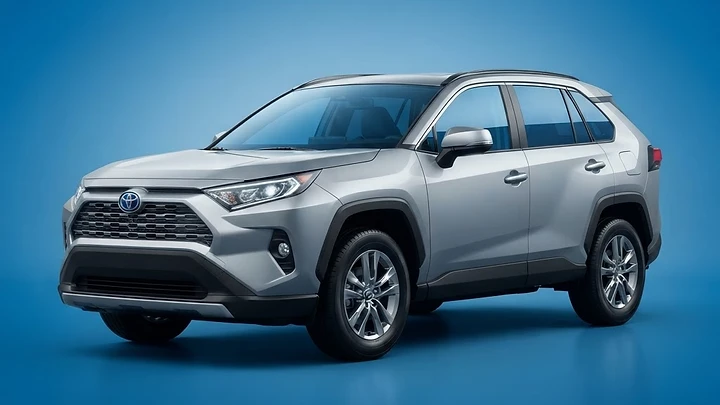
There is a quiet revolution happening on the American highway. It is not found in the roar of a high-performance engine or the stark, silent acceleration of a pure electric vehicle, but in the seamless, intelligent harmony of a modern hybrid. Imagine gliding through a morning commute, the engine humming with a refined, efficient pulse, knowing that every stoplight is an opportunity to reclaim energy rather than waste it. For the American car buyer in 2026, the question of whether a hybrid is worth the investment is no longer just about saving a few dollars at the pump; it is about embracing a smarter, more reliable way to move through the world.
The Real Math: Hybrid vs.
Gas Ownership Costs In 2026, the price gap between traditional internal combustion engine (ICE) vehicles and their hybrid counterparts has narrowed significantly. While a hybrid like the 2026 Toyota Corolla Hybrid LE might carry a slight premium—roughly 5.5% more than its gas-only sibling—the long-term ownership math is shifting in favor of the hybrid. When you factor in an average of 40–55 mpg for a hybrid compared to 25–32 mpg for a standard gas vehicle, the annual fuel savings can range from $450 to $700 for the average driver. Over a five-year ownership period, these savings often eclipse the initial purchase price difference, effectively making the hybrid a more economical choice for the long haul. 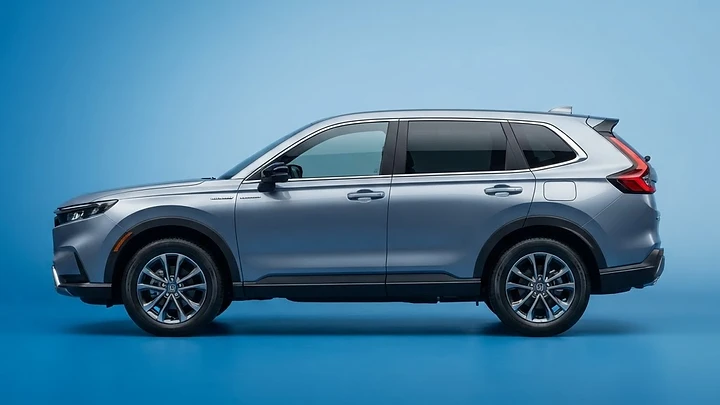
Maintenance Advantages You Can Actually Feel Beyond fuel efficiency, the true secret of hybrid ownership lies in the shop.
Because hybrid powertrains utilize regenerative braking, your brake pads are subjected to significantly less wear and tear, often lasting 80,000 to 100,000 miles. Furthermore, the gasoline engine in a hybrid system runs less frequently and under less stress than a conventional engine, which can extend the life of critical components. For families looking for long-term reliability, models like the 2026 Honda CR-V Hybrid or the Toyota RAV4 Hybrid have become gold standards, offering peace of mind that translates directly into lower maintenance bills over the life of the vehicle. 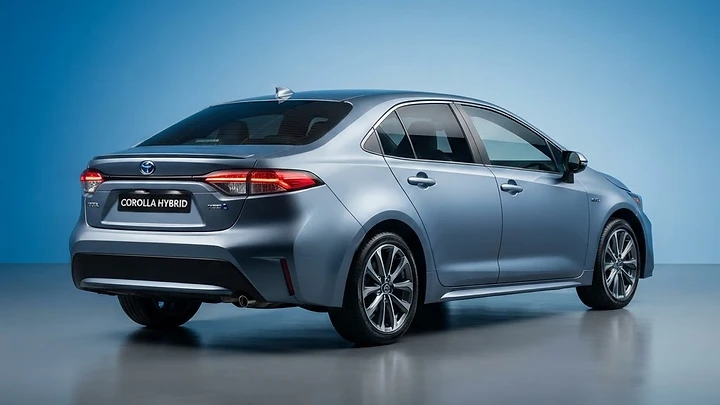

Why Hybrids Are Winning the Family Market For families, the transition to a hybrid is often about balancing space with sustainability.
The 2026 market is flooded with versatile options that do not force you to compromise on cargo capacity or passenger comfort. Whether it is the 2026 Hyundai Santa Fe Hybrid with its generous three-row layout or the nimble, efficient 2026 Toyota Corolla Cross Hybrid, these vehicles are designed to handle the rigors of school runs, grocery hauls, and weekend road trips without the "range anxiety" associated with pure EVs. You get the best of both worlds: the convenience of a gas station stop when you need it, and the efficiency of electric power when you don't. 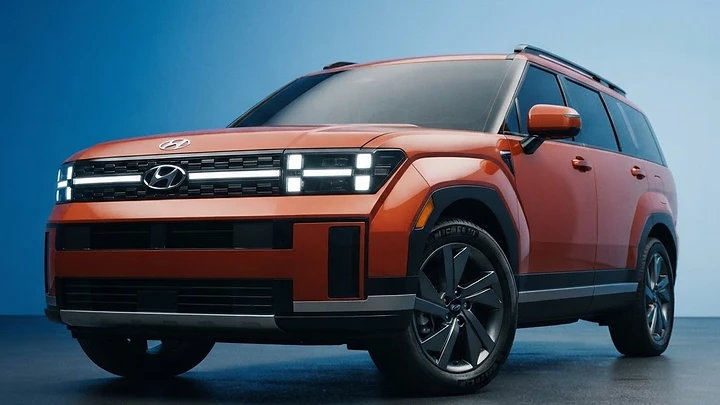

Navigating the 2026 Market: Deals and Financing As we move through 2026, manufacturers are aggressively incentivizing hybrid adoption.
We are seeing competitive lease deals, such as the 2026 Honda CR-V Hybrid often appearing with attractive monthly payments, and low-APR financing offers on models like the Kia Sportage Hybrid. Before you head to a dealership, check for regional cash offers and manufacturer-backed financing. Transparency is your greatest asset; knowing that you can secure 0% APR or significant cash-back incentives can turn a "maybe" into a "must-buy" without the pressure of hidden fees. 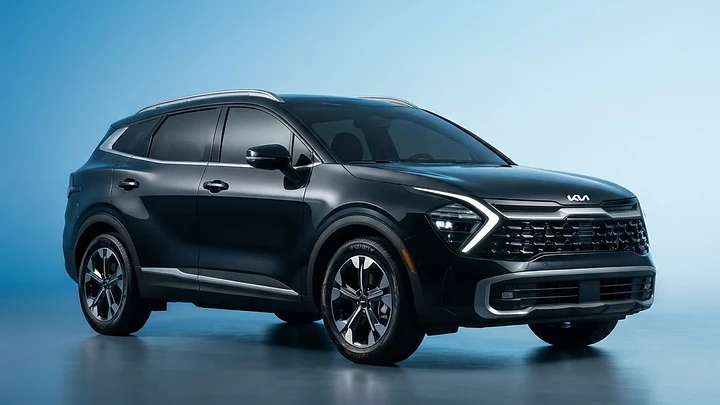

Frequently Asked Questions
Are hybrids more expensive to insure than gas cars?
Generally, insurance costs are comparable. While some hybrids have higher repair costs due to complex technology, their safety ratings and reliability often offset these factors. #
Do I need to change my driving habits for a hybrid?
Not at all. One of the greatest benefits of a standard hybrid is that it requires no lifestyle changes—no home charging stations or special cables are needed. #
How long do hybrid batteries last?
Most modern hybrid batteries are designed to last the life of the vehicle, often exceeding 150,000 miles, and are backed by extensive manufacturer warranties. #
Is a hybrid better than a plug-in hybrid (PHEV)?
It depends on your access to charging. If you cannot charge at home, a standard hybrid is usually the more convenient and cost-effective choice.
The Bottom Line For the vast majority of American drivers, the 2026 hybrid is the smartest financial and practical choice.
It bridges the gap between the old world of gasoline and the future of electrification, offering tangible fuel savings, lower maintenance costs, and the reliability that families demand. If you drive between 12,000 and 15,000 miles a year, the math is clear: the hybrid premium pays for itself, leaving you with more money in your pocket and a more refined driving experience on the open road.
The cars in this story
The real price and honest verdict on each one
- 2026 Toyota CorollaCompact Sedan · from $22,475
- 2026 Honda CR-VCompact SUV · from $30,920
- 2026 Kia SportageCompact SUV · from $27,190
- 2026 Hyundai Santa FeMid-Size SUV · from $35,050
More car news

Hybrid vs Plug-in Hybrid: The 2026 Honest Buyer’s Guide
Confused by hybrid options? We break down the real-world costs, reliability, and driving habits to help you choose the right 2026 hybrid for your lifestyle.

Hybrid vs Gas: The 2026 Honest Buyer’s Guide to Savings
Is a hybrid worth the extra cost in 2026? We break down the real-world fuel savings, depreciation, and ownership costs to help you make the right choice.

Solar-Powered Cars: The 2026 Honest Buyer’s Reality Check
Are solar-powered cars worth the hype in 2026? We break down the reality of solar roofs, charging efficiency, and whether they actually save you money.