Is an Electric Car Right for You? The 2026 Honest Guide
Considering an EV in 2026? We break down the real-world costs, charging realities, and practical trade-offs to help you decide if it fits your lifestyle.
Imagine the silence of a crisp morning, the instant surge of torque as you pull away from a stoplight, and the realization that you never have to visit a gas station again. For many, the transition to an electric vehicle (EV) in 2026 feels like stepping into the future of personal mobility. Yet, as an independent resource, we know that the glossy marketing brochures don't always match the reality of your daily commute or your family's road-trip needs. With EV consideration hovering around 25% among new-vehicle shoppers, it is clear that while the interest is there, the hesitation remains rooted in practical concerns like purchase price, charging infrastructure, and long-term battery confidence.
The Reality of EV Ownership in 2026 The biggest hurdle for most buyers remains the initial purchase price.
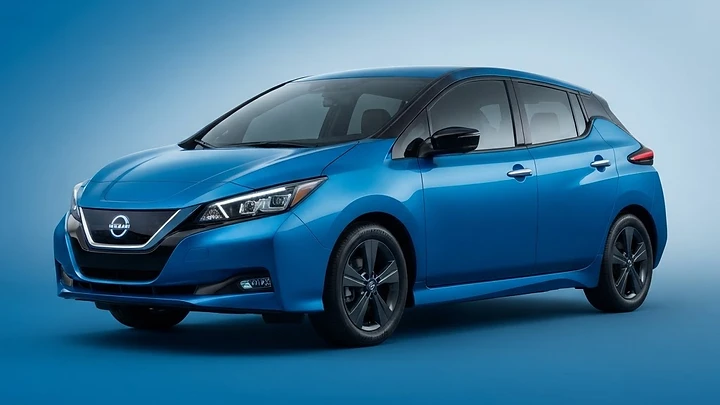
While models like the redesigned 2026 Nissan Leaf continue to offer an accessible entry point, many premium EVs still command a significant price premium over their internal combustion counterparts. However, the total cost of ownership is shifting. When you factor in the reduced maintenance requirements—fewer moving parts mean no oil changes, no spark plugs, and less wear on brake pads due to regenerative braking—the long-term math starts to look different. It is essential to look beyond the sticker price and calculate your specific energy costs versus local fuel prices.
Charging: The Infrastructure Gap The most common question we hear is, 'Can I actually live with an EV?' The answer depends almost entirely on your ability to charge at home. If you have a garage or a dedicated driveway where you can install a Level 2 charger, the 'refueling' experience is superior to gas; you wake up every morning with a 'full tank.' For those relying on public charging, the landscape is improving but remains a source of friction. While fast chargers are becoming more common, the experience of waiting at a station is fundamentally different from the five-minute stop at a gas pump. Before you buy, map out your daily route and check for reliable charging networks in your area. 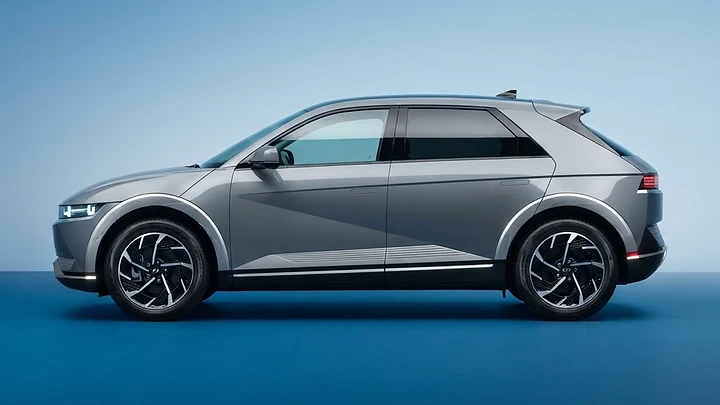
Battery Confidence and Range Anxiety Range anxiety is slowly being replaced by 'charging anxiety.' Most modern EVs, such as the 2026 Hyundai Ioniq 5, now offer real-world ranges exceeding 300 miles, which is more than enough for the vast majority of daily driving. The real challenge is long-distance travel. If your lifestyle involves frequent cross-country road trips, you will need to plan your stops around charging availability. Furthermore, battery longevity is a valid concern. Most manufacturers now offer robust warranties, but it is wise to research the specific battery chemistry and thermal management systems of the vehicle you are considering. 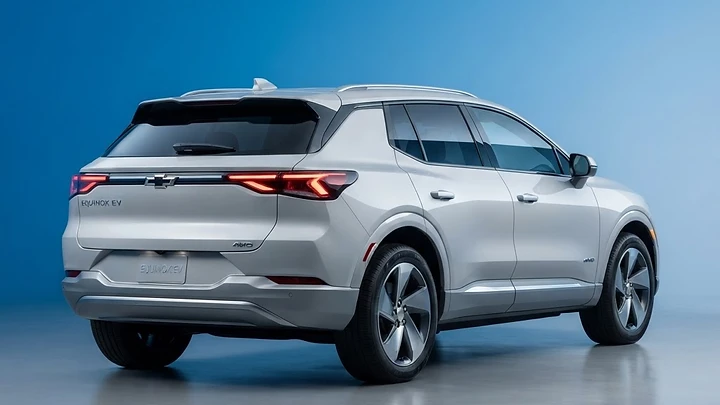

Performance and Driving Dynamics One of the most pleasant surprises for new EV owners is the driving experience.
Because electric motors provide maximum torque instantly, even mainstream crossovers like the 2026 Chevrolet Equinox EV feel remarkably quick and responsive. The low center of gravity, thanks to the floor-mounted battery pack, gives these vehicles a planted, stable feel that makes them surprisingly fun to drive on winding roads. If you value a quiet, smooth, and powerful driving experience, the EV powertrain is hard to beat. 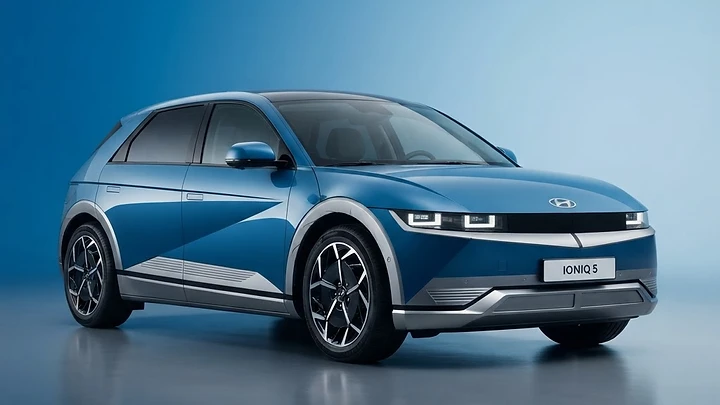

Frequently Asked Questions
Is it cheaper to charge an EV than to buy gas?
In most parts of the U.S., yes. Electricity is generally cheaper per mile than gasoline, though rates vary significantly by state and time of day. #
How long does a typical EV battery last?
Most manufacturers provide an 8-year/100,000-mile warranty on the battery. With proper care, modern lithium-ion packs are designed to last the life of the vehicle, though you may see a slight reduction in total range over many years. #
Can I charge an EV at a standard wall outlet?
Yes, using a Level 1 charger, but it is very slow—often adding only 3-5 miles of range per hour. It is best suited for plug-in hybrids or as a backup for EV owners who drive very little. #
Are EVs more expensive to insure?
Currently, yes. Because of the higher cost of specialized parts and the need for technicians trained in high-voltage systems, insurance premiums for EVs can be slightly higher than for comparable gas-powered vehicles. 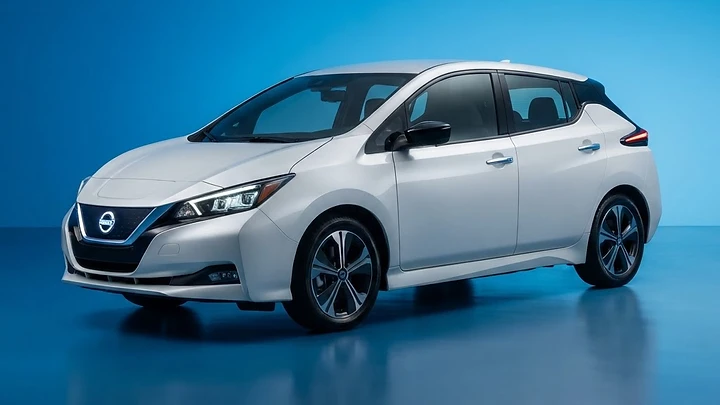

The Bottom Line If you can charge at home and your daily driving habits fit within the 250-350 mile range window, an EV is likely the most efficient and enjoyable vehicle you will ever own.
However, if you live in an apartment without charging access or frequently drive long distances in remote areas, a high-efficiency hybrid might be the more practical bridge for your current lifestyle. Do your research, test drive the models you are interested in, and prioritize your own daily reality over the hype.
The cars in this story
The real price and honest verdict on each one
- 2026 Chevrolet EquinoxCompact SUV · from $28,800
- 2026 Dodge ChargerSports Car · from $49,995
- 2026 Lucid GravityLuxury SUV · from $79,900
More car news

EV Tires: The 2026 Honest Buyer’s Guide to Replacement
Confused about EV tires? Learn why electric vehicles wear tires differently and how to choose the right replacements to maintain range, safety, and comfort.

Hybrid vs Gas: The 2026 Honest Buyer’s Guide to Savings
Is a hybrid worth the extra cost in 2026? We break down the real-world math, maintenance, and ownership costs to help you make the right choice.

Buying a Hybrid in 2026: The Honest Buyer’s Reality Check
Thinking about a hybrid? With gas prices fluctuating and tax credits gone, here is the honest truth about buying a hybrid car in 2026 to save you money.