Is an Electric SUV Right for You? The 2026 Honest Guide
Considering an electric SUV in 2026? We break down the real costs, range, and ownership realities to help you decide if it's the right move for your lifestyle.
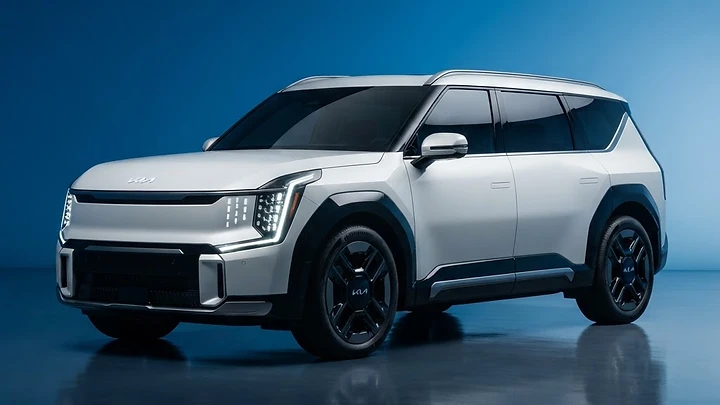
There is a quiet, electric hum beginning to define the American landscape, a shift in how we move our families and ourselves across the vast, open stretches of our country. As you stand in your driveway, looking at the horizon, you might wonder if the future of your next road trip lies in a battery-powered machine. The 2026 market for electric SUVs is more diverse than ever, offering everything from rugged, trail-ready adventurers to sleek, family-focused haulers. But beyond the glossy brochures and the promise of zero emissions, the real question remains: does an electric SUV actually fit the rhythm of your daily life?
The Reality of EV Ownership in 2026 For many, the transition to an electric vehicle (EV) feels like stepping into a new era of engineering.
With models like the 2026 Kia EV9 offering three-row versatility and the 2026 Chevrolet Equinox EV providing a more accessible entry point starting around $34,995, the options are no longer limited to luxury price tags. However, the decision to switch is deeply personal. Recent data suggests that while interest remains, many buyers are carefully weighing the practicalities of charging access and daily routine against the allure of instant torque and lower maintenance costs. It is not just about the sticker price; it is about whether your home setup or local infrastructure supports the freedom you expect from a vehicle. 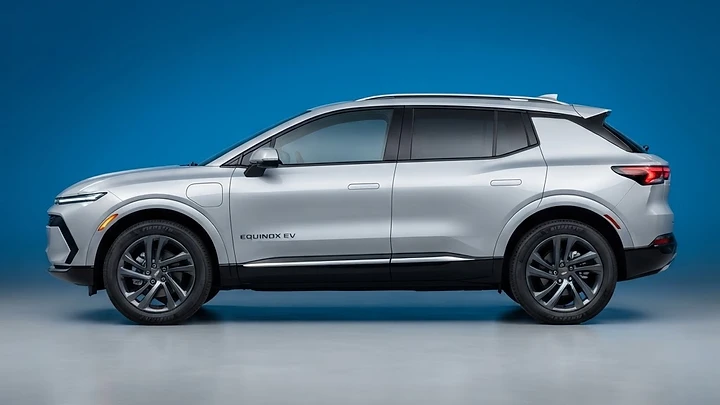
Decoding the Range and Charging Puzzle Range anxiety, once the primary boogeyman of the EV world, is rapidly fading as battery technology matures.
Today, vehicles like the 2026 Lucid Gravity boast impressive ranges reaching up to 450 miles, effectively erasing the fear of being stranded. Yet, the true test is your longest typical day. If you commute 40 miles and have a reliable home charger, you wake up to a 'full tank' every morning, a convenience that gas-car owners simply cannot match. If you live in an apartment or rely solely on public fast-charging, the math changes. Before you commit, map out your charging reality. The 2026 landscape is built on the premise that if you can charge where you sleep, you have already won half the battle. 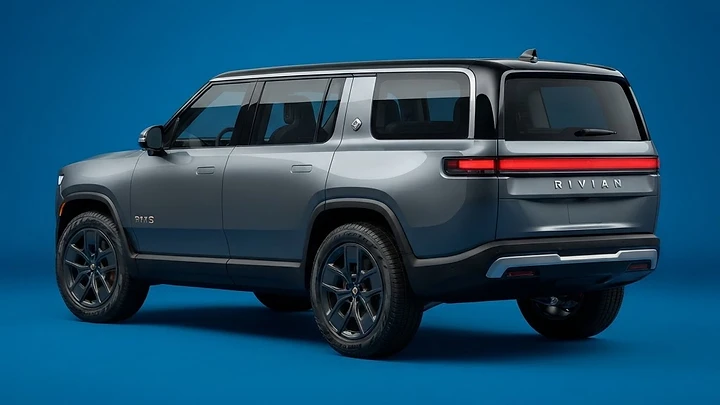

Cost Parity: Is the Premium Still Real?
The conversation around EV pricing has shifted dramatically. In 2026, we are seeing electric SUVs reach price parity with their internal combustion engine (ICE) counterparts in several segments. While the average transaction price for an EV remains slightly higher than the overall market average, the gap is closing. When you factor in the long-term savings on fuel and the significantly reduced maintenance requirements—no oil changes, fewer moving parts to wear out—the total cost of ownership often tells a more compelling story than the initial MSRP. Always look at the five-year projection rather than just the monthly payment to see the true value. 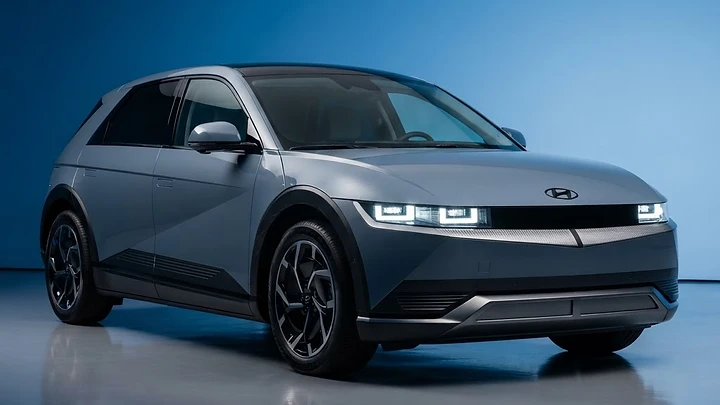

Choosing the Right SUV for Your Family Needs Whether you need the rugged 4x4 capability of a Rivian R1S or the efficient, compact footprint of a Ford Mustang Mach-E, the 2026 lineup is designed to accommodate specific lifestyles.
Families are finding that the lack of a transmission tunnel in many EV platforms creates cavernous interior space, perfect for road trips and gear-heavy weekends. When shopping, prioritize your 'must-haves': cargo volume, towing capacity, and the specific driver-assistance tech that makes your daily commute safer. Don't get distracted by horsepower figures you will never use; focus on the features that make your life easier. 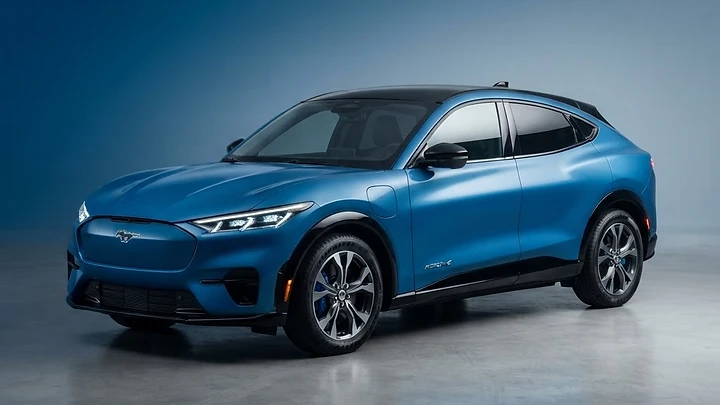

Frequently Asked Questions
What is the best electric SUV in 2026?
The 'best' is subjective, but the 2026 Kia EV9 is widely praised for its three-row utility and value, while the Hyundai Ioniq 5 remains a top pick for its 800V charging architecture and efficiency. #
Does the $7,500 federal tax credit still exist?
The landscape for incentives has changed significantly in 2026. Always check the current IRS guidelines and your specific state's incentives, as these can drastically alter the final price of your purchase. #
Is an electric SUV reliable for long road trips?
Yes, provided you plan your route using apps that integrate real-time charging station availability. With the expansion of high-speed charging networks, the 'road trip' experience is becoming increasingly seamless.
The Bottom Line The decision to buy an electric SUV in 2026 should be driven by your specific daily needs, not just the trend.
If you have the ability to charge at home and your daily driving habits align with current battery ranges, an EV offers a level of convenience and performance that is hard to beat. Be honest about your infrastructure, run the math on your total cost of ownership, and test drive the models that fit your family's size. The open road is waiting, and for many, the future is electric.
The cars in this story
The real price and honest verdict on each one
- 2026 Chevrolet EquinoxCompact SUV · from $28,800
- 2026 Rivian R1SFull-Size SUV · from $76,990
- 2026 Kia EV9Electric Three-Row SUV · from $54,900
- 2026 Ford MustangSports Car · from $32,640
More car news

EV Tires: The 2026 Honest Buyer’s Guide to Replacement
Confused about EV tires? Learn why electric vehicles wear tires differently and how to choose the right replacements to maintain range, safety, and comfort.

Hybrid vs Gas: The 2026 Honest Buyer’s Guide to Savings
Is a hybrid worth the extra cost in 2026? We break down the real-world math, maintenance, and ownership costs to help you make the right choice.

Buying a Hybrid in 2026: The Honest Buyer’s Reality Check
Thinking about a hybrid? With gas prices fluctuating and tax credits gone, here is the honest truth about buying a hybrid car in 2026 to save you money.