Panoramic Sunroofs: Are They Worth the Upgrade in 2026?
Considering a panoramic sunroof for your next vehicle? We break down the pros, cons, and real-world costs to help you decide if this feature is worth it.
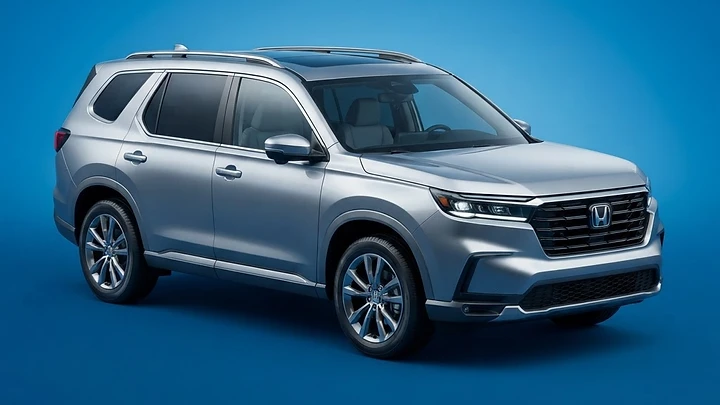
Imagine driving down a winding coastal highway as the golden hour light spills into your cabin, turning your daily commute into a cinematic experience. For many American car buyers, the panoramic sunroof is the ultimate symbol of that open-road freedom, transforming a standard interior into a bright, airy sanctuary. As we navigate the 2026 automotive market, this feature has moved from a rare luxury to a common request in everything from compact SUVs to family haulers. But beyond the aesthetic appeal, is it a smart investment for your wallet and your long-term ownership experience?
Understanding the Panoramic Sunroof Experience A panoramic sunroof is significantly larger than a traditional sunroof, often stretching across both the front and rear seating rows.
While a standard sunroof is a single, smaller panel, a panoramic system uses expansive glass to create a sense of infinite space. In models like the 2026 Honda Pilot or the 2026 Volkswagen Tiguan, this feature acts as a mobile observation deck, particularly for rear-seat passengers who often feel confined in traditional vehicles. It is important to distinguish between a fixed glass roof—which provides the view but no airflow—and a sliding panoramic system that offers both light and ventilation. 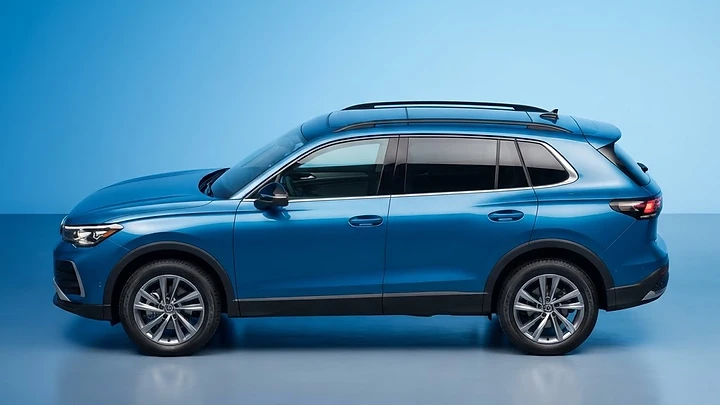
The Real Cost of Adding Light to Your Ride When you are building your next vehicle, you will notice that the panoramic sunroof is rarely a standalone option.
It is frequently bundled into premium trim packages, such as the SE with Technology or the Touring trim levels. For instance, adding this feature can cost anywhere from $1,200 to $1,600 as a standalone option, or significantly more if it forces an upgrade to a higher trim tier. Before you check that box, consider your local climate. If you live in a region with intense, year-round sun, you may find yourself keeping the shade closed to manage cabin heat, which effectively negates the primary benefit of the feature. 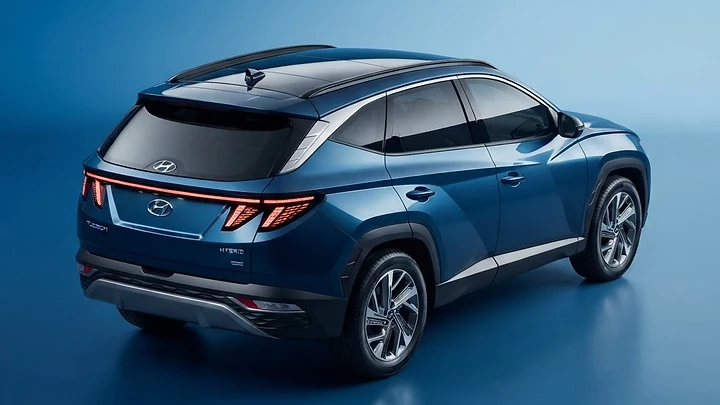

Practical Considerations: Weight, Headroom, and Maintenance Every choice in automotive engineering comes with a trade-off.
Because panoramic sunroofs involve heavy glass panels and complex mechanical tracks, they add weight to the highest point of the vehicle. This can slightly impact your center of gravity and, in some cases, reduce fuel efficiency. Furthermore, the housing for these mechanisms often eats into your interior headroom, which might be a dealbreaker if you are tall or frequently transport adults in the back seat. Maintenance is another factor; rubber seals can dry out over time, potentially leading to wind noise or leaks if not properly cared for. 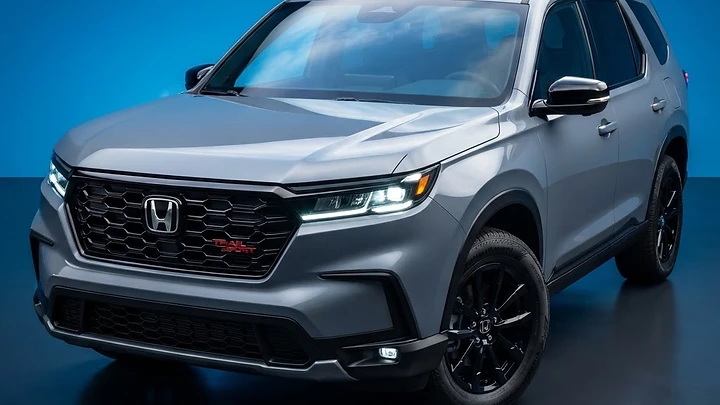

Frequently Asked Questions
Does a panoramic sunroof affect vehicle safety?
Modern panoramic roofs are constructed with reinforced, laminated glass designed to meet the same federal roof-crush standards as solid metal roofs. They are engineered to be just as safe in the event of a rollover. #
Will a panoramic sunroof increase my car's resale value?
While it makes a vehicle more attractive to potential buyers, it rarely adds dollar-for-dollar value to your trade-in. Think of it as a comfort feature for your enjoyment rather than a financial investment. #
Can I open a panoramic sunroof?
It depends on the model. Some are fixed glass panels that do not move, while others feature a front panel that tilts or slides. Always check the specific trim details before purchasing. #
Does it make the car hotter in the summer?
Yes, glass allows more solar heat into the cabin. Most modern vehicles include high-quality power shades to mitigate this, but it is something to consider if you live in extreme heat zones. 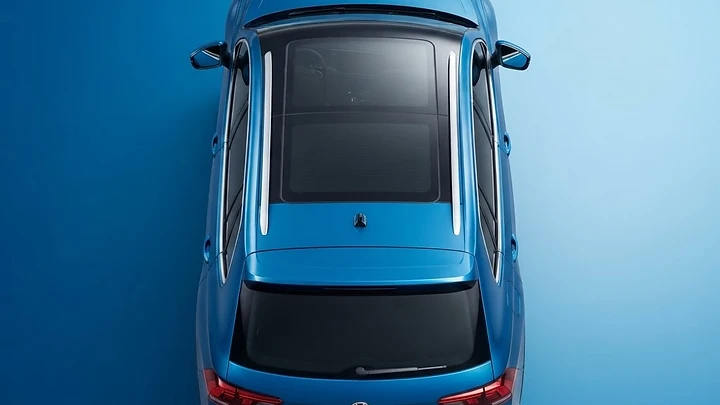

The Bottom Line At Carummah, we believe in transparency.
If you value an open, premium cabin feel and plan to keep your car for several years, the panoramic sunroof is a wonderful way to enhance your daily drive. However, if you are strictly budget-focused or prioritize maximum headroom and fuel efficiency, you might be better off skipping it. The best approach is to test drive a model with the feature on a sunny day to see if the "wow" factor justifies the added cost for your specific lifestyle.
The cars in this story
The real price and honest verdict on each one
- 2026 Volkswagen TiguanCompact SUV · from $30,805
- 2026 Honda PilotMid-Size SUV · from $42,195
- 2026 Hyundai TucsonCompact SUV · from $29,450
- 2026 Lucid GravityLuxury SUV · from $79,900
More car news

2026 Car Buying: How to Navigate High Prices and Tech
Buying a car in 2026? Discover how to navigate record-high prices, essential tech features, and shifting market trends to secure the best deal for your needs.

Software-Defined Cars: The 2026 Honest Buyer’s Guide
Are software-defined cars worth the hype? Discover how over-the-air updates and subscription features are changing the 2026 car buying experience.

Head-Up Displays: Are They Worth It in 2026?
Are head-up displays worth the upgrade in 2026? We break down the safety, tech, and real-world value of HUDs to help you decide if you need one.