Plug-In Hybrid Buying Guide: Is a PHEV Right for You in 2026?
Considering a plug-in hybrid in 2026? Discover if a PHEV fits your lifestyle, charging habits, and budget with our honest, transparent buyer's guide.
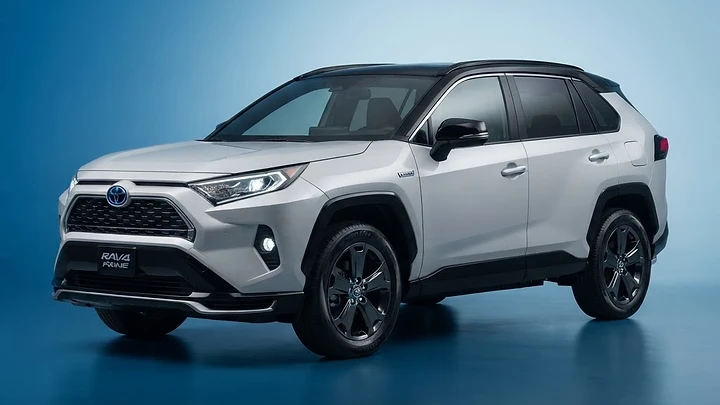
Imagine pulling out of your driveway in total silence, the morning air crisp and still, as your vehicle glides on pure electric power. For many American families, the 2026 plug-in hybrid (PHEV) represents the ultimate bridge between the convenience of a traditional gasoline engine and the efficiency of an electric vehicle. It is a marvel of modern engineering that promises the best of both worlds: zero-emissions commuting for your daily errands and the freedom to drive cross-country without ever hunting for a public charging station. But is this technology truly the right fit for your garage, or is it an expensive compromise?
Understanding the PHEV Advantage The core appeal of a plug-in hybrid lies in its dual-nature powertrain.
Unlike a standard hybrid that relies solely on regenerative braking to charge a tiny battery, a PHEV features a larger battery pack that you can plug into a wall outlet. Models like the 2026 Toyota RAV4 Prime offer impressive electric-only ranges, often exceeding 40 miles, which is more than enough to cover the average American commute. When that charge depletes, the vehicle seamlessly transitions to its gasoline engine, operating just like a conventional hybrid. This eliminates the 'range anxiety' that keeps many buyers away from fully electric vehicles. 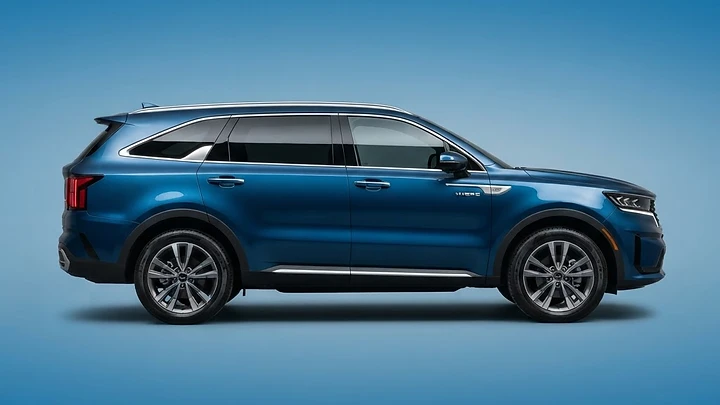
The Real Cost of Ownership: Is It Worth the Premium?
One of the most common questions we hear at Carummah is whether the higher upfront cost of a PHEV is justified. Generally, a plug-in hybrid can cost $4,000 to $5,000 more than its standard hybrid counterpart. To determine if this is a smart financial move, you must look at your daily driving habits. If you have access to a home charger and your daily commute is within the vehicle's electric-only range, you could potentially go weeks without visiting a gas station. However, if you rarely charge the vehicle, you are essentially carrying around a heavy, expensive battery that isn't doing its job, which can actually hurt your overall fuel economy. 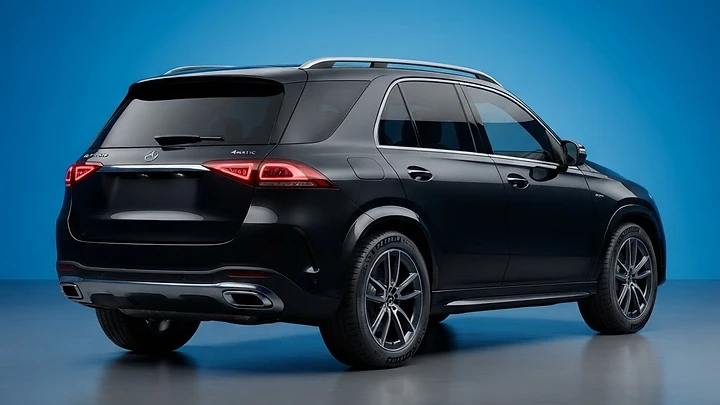

Charging Habits and Infrastructure Reality While public charging networks are expanding, the true power of a PHEV is unlocked at home.
Because the battery packs are significantly smaller than those in full EVs, you don't necessarily need a high-speed Level 3 charger. Many owners find that a standard 110-volt household outlet is sufficient for overnight charging. If you live in an apartment or lack a dedicated parking spot with power access, the benefits of a PHEV diminish rapidly. Before you sign the paperwork, ensure you have a clear plan for where and how you will charge your vehicle daily. 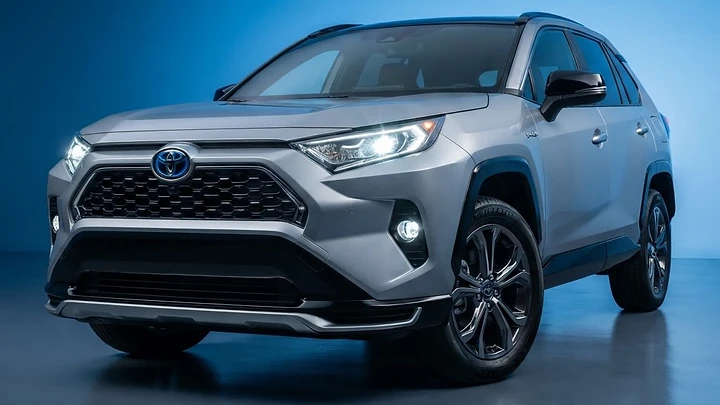

Top 2026 PHEV Contenders for Families When shopping for a PHEV, consider your space requirements.
The 2026 Kia Sorento Hybrid remains a top pick for families needing three rows, offering a blend of utility and efficiency. For those who prefer a more compact footprint, the Toyota RAV4 Prime continues to set the benchmark for reliability and electric range. If luxury is your priority, the 2026 Mercedes-Benz GLE 450e provides a sophisticated driving experience with a substantial electric-only range that makes it a standout in the premium segment. Always check the specific trim levels, as features and electric range can vary significantly between base and premium models. 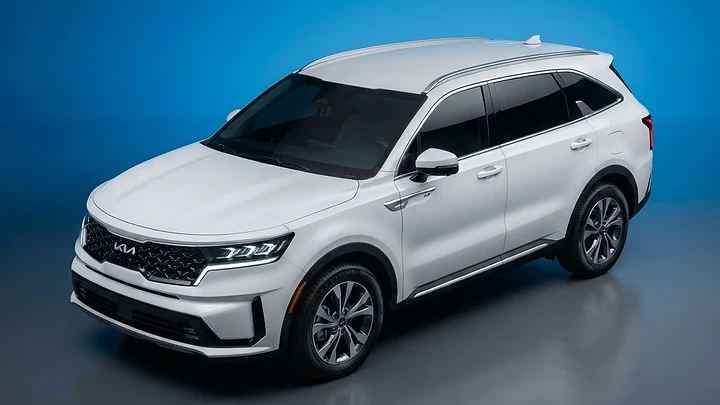

Frequently Asked Questions
Do I need a special charger installed at home?
Not necessarily. While a Level 2 charger can speed up the process, most PHEVs can charge fully overnight using a standard 110-volt household outlet. #
Does a PHEV qualify for tax credits?
Tax credit eligibility changes frequently based on federal guidelines and where the vehicle is manufactured. Always check the current IRS list before purchasing. #
What happens if I never plug it in?
The car will still function as a standard hybrid, but you will lose the primary benefit of the vehicle—the ability to drive on electricity alone—and you will be paying for a battery you aren't utilizing. #
Is maintenance more expensive for a PHEV?
Generally, no. Because the gasoline engine runs less frequently, you may actually find that your oil change intervals are extended, though you still have the standard maintenance needs of any modern vehicle.
The Bottom Line A plug-in hybrid is a brilliant choice if you are a homeowner with a predictable daily commute and a desire to reduce your carbon footprint without sacrificing the convenience of gasoline for long road trips.
If you can commit to plugging in every night, the fuel savings and the quiet, smooth driving experience are well worth the initial investment. However, if you cannot charge at home, a traditional hybrid is likely the more cost-effective and practical choice for your lifestyle.
The cars in this story
The real price and honest verdict on each one
- 2026 Kia SorentoMid-Size SUV · from $31,990
- 2026 Toyota RAV4Compact SUV · from $31,900
- 2026 Dodge ChargerSports Car · from $49,995
- 2026 Lucid AirLuxury Electric Sedan · from $70,900
More car news

EV Tires: The 2026 Honest Buyer’s Guide to Replacement
Confused about EV tires? Learn why electric vehicles wear tires differently and how to choose the right replacements to maintain range, safety, and comfort.

Hybrid vs Gas: The 2026 Honest Buyer’s Guide to Savings
Is a hybrid worth the extra cost in 2026? We break down the real-world math, maintenance, and ownership costs to help you make the right choice.


Buying a Hybrid in 2026: The Honest Buyer’s Reality Check
Thinking about a hybrid? With gas prices fluctuating and tax credits gone, here is the honest truth about buying a hybrid car in 2026 to save you money.