Plug-In Hybrid Buying Guide: Is a 2026 PHEV Right for You?
Considering a 2026 plug-in hybrid? Discover if a PHEV fits your lifestyle, charging habits, and budget with our honest, transparent 2026 buyer's guide.
There is a quiet revolution happening on the American road. Imagine pulling out of your driveway in the early morning mist, the only sound a faint, futuristic hum as your vehicle glides forward on pure electric power. You are bypassing the gas station, leaving the noise and vibration of a traditional engine behind, yet you possess the absolute freedom to drive across the country without a second thought about charging infrastructure. This is the promise of the 2026 plug-in hybrid (PHEV), a bridge between the familiar world of gasoline and the electrified future. For many, it represents the ultimate compromise—or perhaps, the ultimate convenience. But is it the right choice for your garage?
Understanding the PHEV Advantage The 2026 automotive landscape is crowded with acronyms, but the PHEV stands apart by offering two distinct personalities in one chassis.
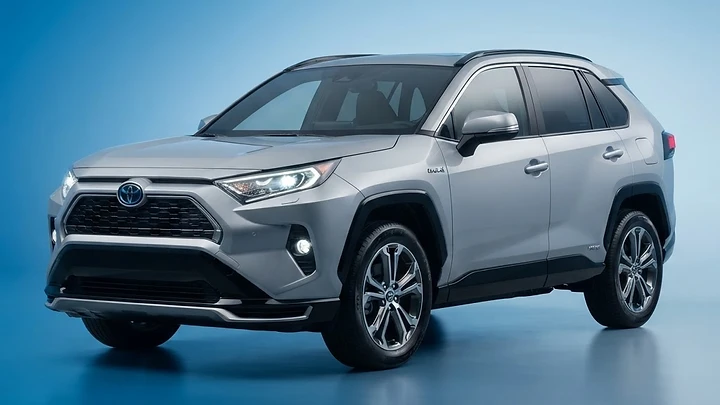
Unlike a standard hybrid that relies solely on regenerative braking to charge a tiny battery, a plug-in hybrid features a significantly larger battery pack that you can charge at home or a public station. Models like the 2026 Toyota RAV4 Prime offer upwards of 40-50 miles of electric-only range, which covers the daily commute for the vast majority of American drivers. When that range is depleted, the vehicle seamlessly transitions into a highly efficient gas-electric hybrid, ensuring you are never stranded. It is a dual-threat powertrain designed for those who want to minimize their carbon footprint during the week but crave the range flexibility of a traditional SUV on the weekend. 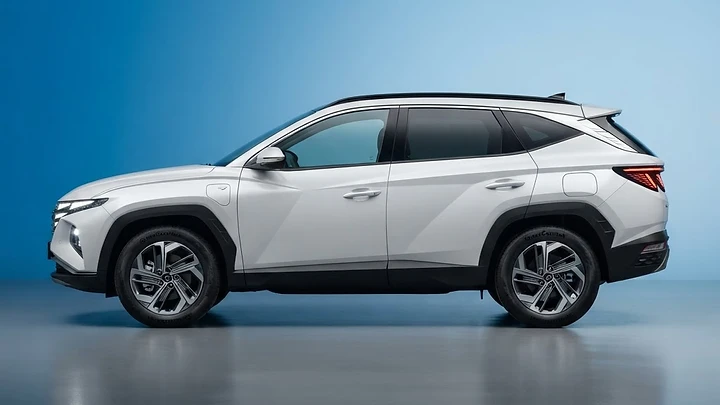
The Real Cost of Ownership: Beyond the Sticker Price When you walk into a dealership, the first thing you will notice is the price gap.
A 2026 Toyota RAV4 SE hybrid might start around $36,150, while its plug-in sibling, the RAV4 Prime, can climb toward $43,000. That $6,000 to $7,000 premium is the entry fee for the larger battery and more robust electric motor. To determine if this is a smart financial move, you must look at your daily routine. If you have a garage with a Level 2 charger and your daily round-trip commute is under 40 miles, you could potentially go weeks without visiting a gas station. However, if you cannot charge at home, that premium becomes a sunk cost, as you will be hauling around a heavy, uncharged battery, effectively driving a less efficient, heavier version of a standard hybrid. 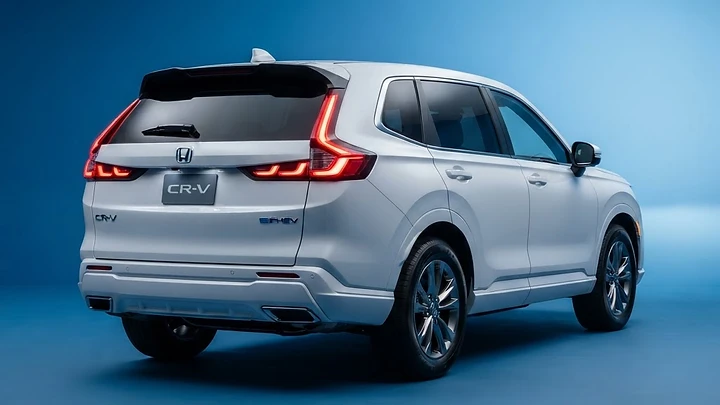

Reliability and Maintenance Considerations One of the most common questions we hear at Carummah is about long-term reliability.
Because PHEVs are more complex than standard gas cars—incorporating both a combustion engine and a sophisticated electric drivetrain—they do require a different maintenance mindset. Data from 2026 suggests that while hybrids remain the gold standard for reliability, PHEVs sit somewhere between traditional gas vehicles and full battery-electric vehicles (BEVs). You are managing more moving parts, which means staying on top of software updates and battery health reports is non-negotiable. When shopping for a used PHEV, always demand a battery state-of-health report to ensure the previous owner treated the charging cycles with care. 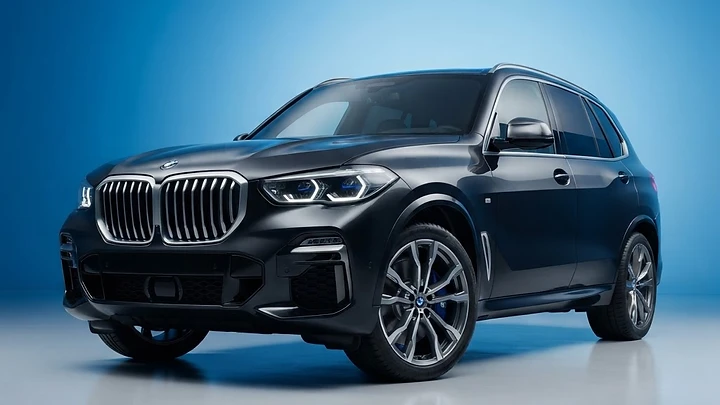

Choosing the Right Model for Your Family The market for 2026 is rich with options, from the practical to the premium.
If you need family space, the 2026 Hyundai Tucson PHEV and Kia Sportage PHEV offer excellent interior volume and competitive electric ranges, often starting in the $40,000 range. For those seeking a more refined, luxury experience, the BMW X5 xDrive50e provides a masterclass in performance and electric integration. Meanwhile, the Honda CR-V e:PHEV remains a stalwart for those who prioritize physical controls and proven reliability. Before you sign any paperwork, test drive the vehicle in both its EV mode and its hybrid mode to ensure the transition between power sources feels smooth and intuitive to your driving style. 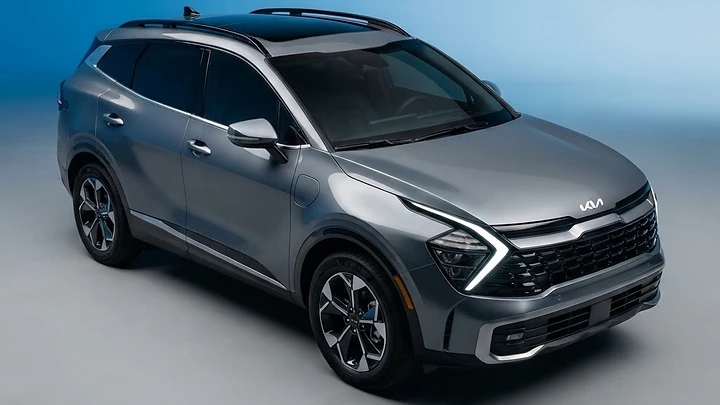

Frequently Asked Questions
Is a PHEV worth it if I cannot charge at home?
Generally, no. Without the ability to charge regularly, you are paying a significant premium for a battery you aren't utilizing, which often results in worse fuel economy than a standard hybrid due to the extra weight. #
How long does it take to charge a 2026 PHEV?
Most PHEVs can be fully charged overnight using a standard 120V household outlet. If you install a Level 2 charger, you can typically cut that time down to 2-4 hours, depending on the battery capacity. #
Do PHEVs qualify for federal tax credits in 2026?
Tax credit eligibility changes frequently based on battery sourcing and assembly requirements. Always check the current IRS guidelines or the manufacturer's website for the specific 2026 model you are considering before assuming a credit applies. #
Are PHEVs more expensive to insure?
Yes, they often carry slightly higher insurance premiums than their gas-only counterparts due to the higher cost of parts and the specialized labor required for repairs in the event of a collision.
The Bottom Line The 2026 plug-in hybrid is a brilliant tool for the right driver.
If you are a homeowner with a dedicated charging spot and a commute that fits within the vehicle's electric-only range, a PHEV can transform your daily driving experience, offering the silence and efficiency of an EV with the security of a gas engine. However, if you lack home charging or drive long distances daily without the ability to plug in, a traditional hybrid will likely offer better long-term value and lower ownership costs. Be honest about your habits, and you will find the perfect match for your driveway.
The cars in this story
The real price and honest verdict on each one
- 2026 Toyota RAV4Compact SUV · from $31,900
- 2026 BMW X5Mid-Size SUV · from $66,775
- 2026 Kia SportageCompact SUV · from $27,190
- 2026 Hyundai TucsonCompact SUV · from $29,450
More car news

EV Tires: The 2026 Honest Buyer’s Guide to Replacement
Confused about EV tires? Learn why electric vehicles wear tires differently and how to choose the right replacements to maintain range, safety, and comfort.

Hybrid vs Gas: The 2026 Honest Buyer’s Guide to Savings
Is a hybrid worth the extra cost in 2026? We break down the real-world math, maintenance, and ownership costs to help you make the right choice.


Buying a Hybrid in 2026: The Honest Buyer’s Reality Check
Thinking about a hybrid? With gas prices fluctuating and tax credits gone, here is the honest truth about buying a hybrid car in 2026 to save you money.