Real-World EV Range: What You Actually Get in 2026
Confused by EPA estimates? Discover how real-world EV range works in 2026 and learn how to choose an electric vehicle that fits your actual driving habits.
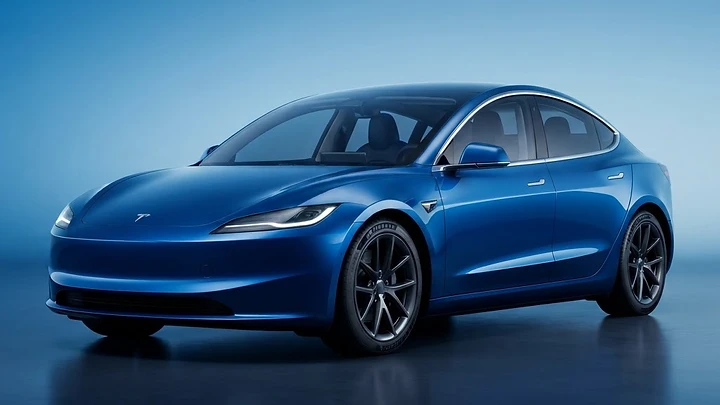
There is a quiet, electric hum that defines the modern American road trip—a sensation of seamless power that feels less like driving and more like gliding. As you pull away from the curb in a 2026 electric vehicle, the silence is profound, broken only by the soft rush of wind and the distant hum of tires on pavement. Yet, for many prospective buyers, this sense of wonder is often tempered by a nagging question: Will I actually make it to my destination? In 2026, the conversation around electric vehicle range has shifted from simple numbers on a window sticker to a more nuanced understanding of how technology, weather, and driving habits intersect to create your daily reality. Understanding real-world EV range requires looking past the standardized EPA estimates. While the EPA provides a vital baseline for comparison, it is a laboratory measurement, not a promise of your specific experience. In the real world, factors like highway speeds, extreme temperatures, and even the terrain of your daily commute play a significant role in how quickly your battery depletes. For instance, while a 2026 Tesla Model 3 Long Range might boast an impressive EPA estimate, independent testing has shown that real-world performance can vary significantly based on whether you are navigating stop-and-go city traffic or cruising at sustained highway speeds. 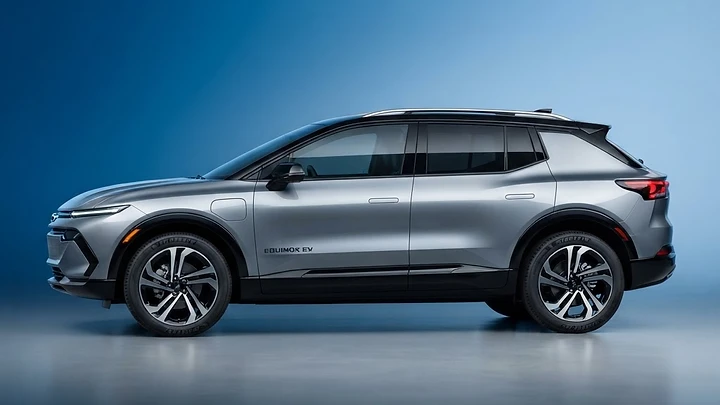
Why EPA Estimates Don't Tell the Whole Story The EPA test cycle is designed to be consistent, but your life is anything but.
When you are driving at 75 mph on a cold winter morning, your vehicle’s energy consumption increases significantly compared to the mild-weather, mixed-speed conditions of a laboratory test. This is why many owners find that their "range anxiety" is actually a "confidence gap." It is not that the car cannot go the distance; it is that the car’s onboard computer is constantly recalibrating based on your current energy usage. Modern EVs, such as the 2026 Chevrolet Equinox EV, are becoming increasingly adept at providing accurate, dynamic range projections that account for your route, elevation changes, and even the current weather, helping you feel more secure behind the wheel. 

The Battery Health Factor Beyond the daily range, there is the long-term question of battery degradation.
Research from 2026 indicates that while battery health remains remarkably stable for most drivers, individual usage patterns—such as frequent reliance on high-speed DC fast charging versus slower, gentler home charging—can influence the long-term capacity of your pack. The good news is that modern battery management systems are more sophisticated than ever, actively protecting the cells from extreme heat and cold to ensure that your vehicle remains a reliable companion for years to come. If you are buying used, independent battery health reports are now the gold standard for transparency, allowing you to see exactly how a specific vehicle has aged. 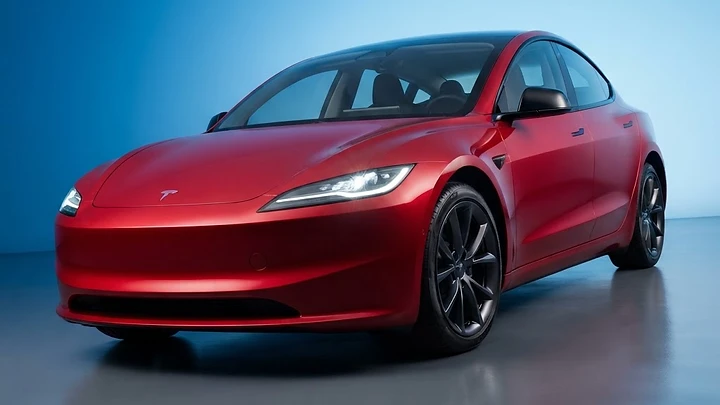

Maximizing Your Miles: Practical Tips for Owners To get the most out of your EV, think of your driving style as a partnership with the vehicle’s software.
Regenerative braking is your best friend in urban environments, turning every stoplight into an opportunity to recapture energy. On the highway, maintaining a steady speed and utilizing the vehicle’s built-in navigation to precondition the battery before arriving at a charger can significantly improve your charging speed and overall efficiency. Remember, you do not need the largest battery on the market to enjoy the benefits of electric driving; you simply need the right tool for your specific lifestyle. 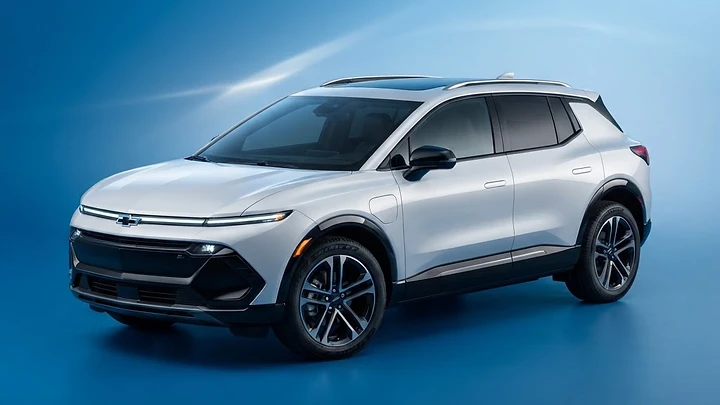

Frequently Asked Questions
Does cold weather really kill EV range?
Yes, extreme cold can reduce range by 10% to 25% because the battery must use energy to heat itself and the cabin. However, many 2026 models feature advanced heat pump technology that mitigates this loss significantly. #
Is it better to charge to 100% every day?
Most manufacturers recommend charging to 80% for daily use to preserve long-term battery health. Only charge to 100% when you are planning a long road trip and need the extra buffer. #
How do I know if an EV fits my daily commute?
Look at your "hardest day"—the longest trip you take regularly. If an EV covers that distance with a 20% buffer for weather and traffic, it is likely a perfect fit for your needs. #
Are public chargers reliable enough for road trips?
With the widespread adoption of the North American Charging Standard (NACS) and the expansion of high-speed charging networks, long-distance travel is more accessible than ever. Always use your car’s native navigation to find chargers, as it will often pre-condition the battery for faster charging speeds.
The Bottom Line The 2026 market offers an incredible variety of electric vehicles that can handle everything from the daily school run to cross-country adventures.
Do not let the fear of the unknown keep you from the benefits of electric ownership. Focus on your actual driving habits rather than chasing the highest possible range number. If you prioritize efficiency and understand how to manage your charging, you will find that the electric experience is not just practical—it is genuinely inspiring.
The cars in this story
The real price and honest verdict on each one
- 2026 Chevrolet EquinoxCompact SUV · from $28,800
- 2026 Tesla Model 3Sedan · from $38,990
- 2026 BMW i4Compact Executive Sedan · from $54,300
- 2026 Dodge ChargerSports Car · from $49,995
More car news

EV Tires: The 2026 Honest Buyer’s Guide to Replacement
Confused about EV tires? Learn why electric vehicles wear tires differently and how to choose the right replacements to maintain range, safety, and comfort.

Hybrid vs Gas: The 2026 Honest Buyer’s Guide to Savings
Is a hybrid worth the extra cost in 2026? We break down the real-world math, maintenance, and ownership costs to help you make the right choice.

Buying a Hybrid in 2026: The Honest Buyer’s Reality Check
Thinking about a hybrid? With gas prices fluctuating and tax credits gone, here is the honest truth about buying a hybrid car in 2026 to save you money.