Regenerative Braking: The 2026 Honest Buyer’s Guide
Unlock the secret to EV efficiency. Our 2026 guide explains how regenerative braking works, how much range it adds, and what it means for your wallet.
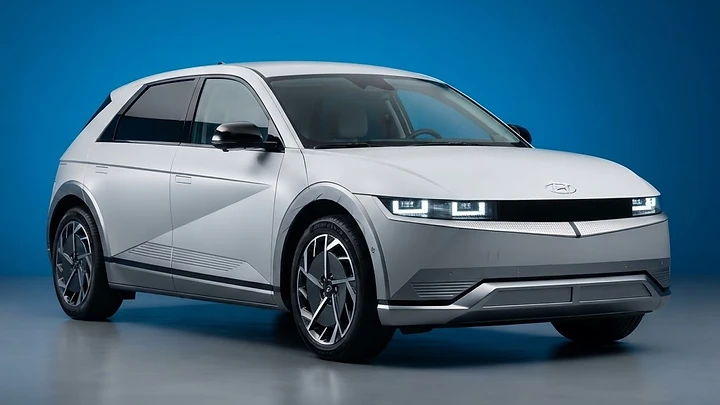
Imagine cresting a mountain pass in your new electric SUV, the silence of the cabin broken only by the faint, futuristic hum of the electric motor as you descend. Instead of the acrid smell of hot brake pads or the frantic tapping of a pedal, you feel a gentle, reassuring resistance. You are not just slowing down; you are actively harvesting energy, turning the kinetic force of your descent into pure, stored electricity. This is the magic of regenerative braking, a cornerstone of modern EV and hybrid engineering that transforms the way we interact with the road. For the American car buyer in 2026, understanding this technology is no longer just for engineers—it is the key to mastering your vehicle’s efficiency and extending your range on every journey.
What Is Regenerative Braking and How Does It Work?
At its core, regenerative braking is a brilliant act of recycling. In a traditional gas-powered car, when you press the brake pedal, hydraulic fluid forces pads against discs, creating friction that slows the wheels. That energy—the momentum you worked so hard to build—is simply lost as heat. In an electric vehicle like the 2026 Hyundai Ioniq 5 or the Toyota Prius, the electric motor performs a dual role. When you lift your foot off the accelerator, the motor reverses its function, acting as a generator. It creates electromagnetic resistance that slows the vehicle down while simultaneously capturing that kinetic energy and feeding it back into the battery pack. It is a seamless, invisible process that happens thousands of times during a typical commute, turning stop-and-go traffic from an efficiency nightmare into a charging opportunity. 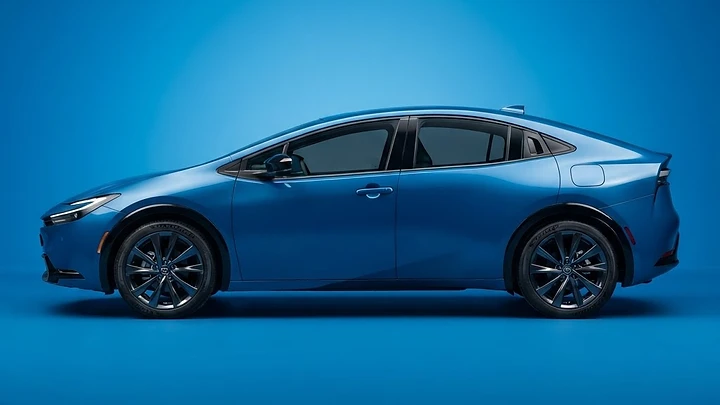
Real-World Range: How Much Energy Can You Actually Recover?
The question we hear most often at Carummah is: 'Does this actually make a difference?' The honest answer is yes, but it depends on how you drive. Research indicates that regenerative braking can extend an EV’s driving range by 8% to 28% depending on conditions. If you are a city dweller navigating dense urban grids, you will see the highest gains because you are constantly slowing down and accelerating. On a flat, open highway at a steady 75 mph, the system does very little because there is minimal braking involved. Think of it as a 'bonus' range that rewards you for smooth, anticipatory driving. In a 2026 model year vehicle, these systems are more sophisticated than ever, blending friction and regenerative forces so smoothly that most drivers cannot tell where one ends and the other begins. 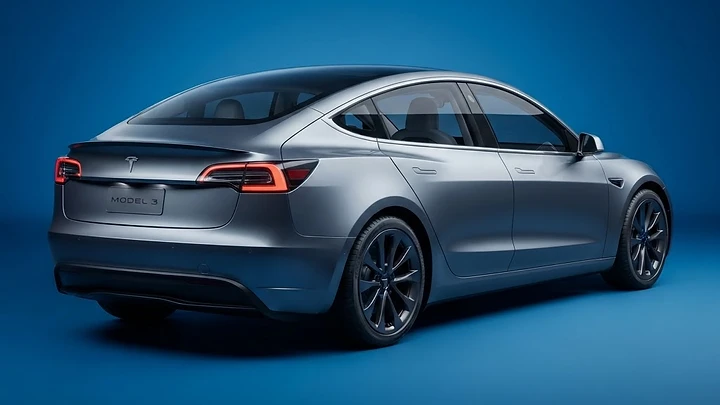

One-Pedal Driving: The Future of Your Commute Many modern EVs, such as the Tesla Model 3 or the Kia EV6, offer a feature called 'one-pedal driving.' This allows you to bring the car to a complete stop simply by lifting your foot off the accelerator, without ever touching the brake pedal. It sounds intimidating, but for many, it becomes second nature within a week. It reduces the physical fatigue of stop-and-go traffic and maximizes the amount of energy returned to the battery. However, it is important to note that for emergency stops, the car’s traditional hydraulic friction brakes are always ready to engage. Regenerative braking is a partner to your safety systems, not a replacement for them. 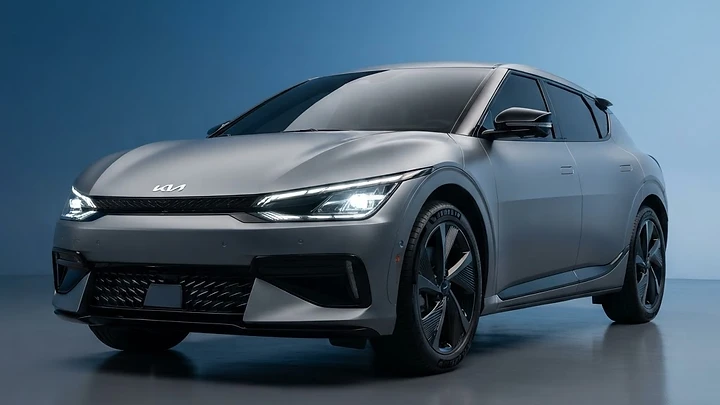

Long-Term Ownership: Saving on Maintenance Costs One of the most overlooked benefits of regenerative braking is the impact on your long-term maintenance budget.
Because the electric motor does the heavy lifting during deceleration, your traditional brake pads and rotors experience significantly less wear and tear. In some cases, EV owners find their brake pads lasting twice as long as those on a comparable gas-powered vehicle. This is a hidden financial win that adds up over the life of your ownership. When you factor in the reduced need for brake fluid flushes and pad replacements, the total cost of ownership for an EV becomes even more competitive against traditional internal combustion vehicles. 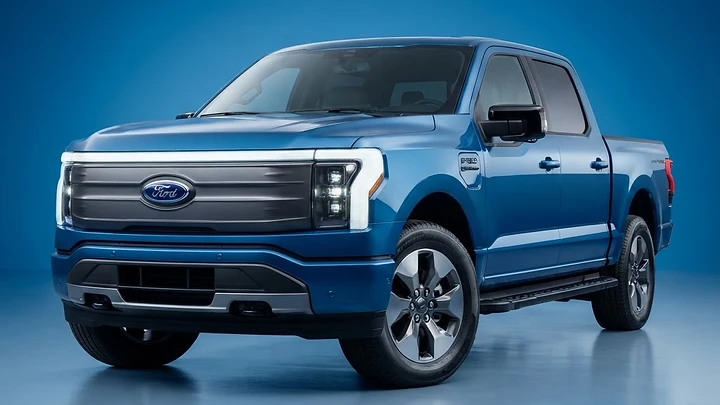

Frequently Asked Questions
Do the brake lights come on when using regenerative braking?
Yes. Modern safety regulations require that if the vehicle is decelerating at a certain rate—even if you aren't touching the brake pedal—the brake lights must illuminate to warn the driver behind you. #
Is regenerative braking less effective in cold weather?
Yes. If your battery is very cold or nearly at 100% charge, the system may limit the amount of energy it can accept. In these cases, the car will rely more on traditional friction brakes until the battery warms up or has more capacity. #
Can I turn off regenerative braking?
Most manufacturers allow you to adjust the 'strength' of the regeneration through the infotainment settings. While you usually cannot turn it off entirely, you can set it to a 'low' or 'coasting' mode if you prefer a driving feel that mimics a traditional gas car. #
Does regenerative braking work on hybrids?
Yes, both traditional hybrids and plug-in hybrids (PHEVs) use regenerative braking to keep their smaller battery packs charged, which is exactly how they achieve such impressive city fuel economy numbers.
The Bottom Line Regenerative braking is one of the most significant advancements in automotive history, turning the act of slowing down into a way to keep moving further.
If you are shopping for a 2026 vehicle, look for models that offer adjustable regenerative settings, as this gives you the most control over your driving experience. Whether you choose a full EV or a hybrid, embrace the 'regen'—it is the smartest way to save money, reduce maintenance, and enjoy the quiet, efficient power of the future.
The cars in this story
The real price and honest verdict on each one
- 2026 Kia EV6Compact SUV · from $37,900
- 2026 Tesla Model 3Sedan · from $38,990
- 2026 Toyota PriusCompact Sedan · from $28,550
- 2026 Ford F-150Full-Size Pickup · from $39,330
More car news


Hybrid vs Plug-in Hybrid: The 2026 Honest Buyer’s Guide
Confused by hybrid options? We break down the real-world costs, reliability, and driving habits to help you choose the right 2026 hybrid for your lifestyle.

Hybrid vs Gas: The 2026 Honest Buyer’s Guide to Savings
Is a hybrid worth the extra cost in 2026? We break down the real-world fuel savings, depreciation, and ownership costs to help you make the right choice.

Solar-Powered Cars: The 2026 Honest Buyer’s Reality Check
Are solar-powered cars worth the hype in 2026? We break down the reality of solar roofs, charging efficiency, and whether they actually save you money.