Solid-State EV Batteries: The 2027 Revolution Explained
Are solid-state batteries the future of EVs? Discover how this 2027 technology promises 10-minute charging, longer range, and safer driving for your next car.
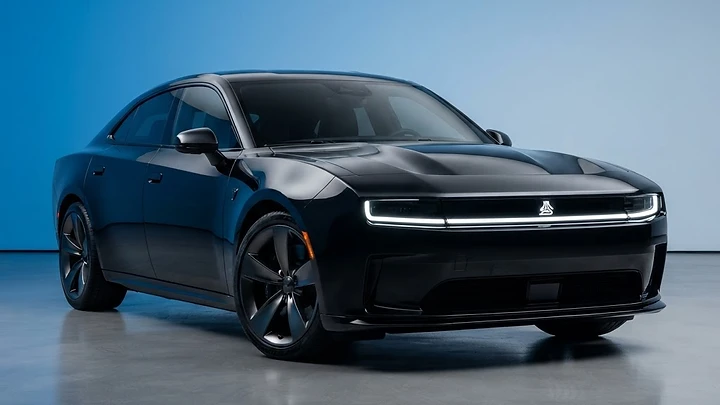
Imagine pulling into a charging station, plugging in your electric vehicle, and grabbing a coffee. By the time you return, your car is fully charged and ready for another 600 miles of open road. This isn't a distant dream; it is the promise of solid-state battery technology, which is rapidly moving from laboratory simulations to real-world road testing in 2026 and 2027. For American car buyers, this shift represents the most significant leap in automotive engineering since the invention of the internal combustion engine.
What Are Solid-State Batteries?
At their core, current electric vehicles rely on lithium-ion batteries that use a liquid electrolyte to move energy. Solid-state batteries replace this liquid with a solid material, which is a game-changer for safety, energy density, and charging speed. By removing the flammable liquid, manufacturers can pack more energy into a smaller, lighter space. This means your future SUV could be lighter, more efficient, and significantly safer in the event of a collision. Companies like Stellantis are already conducting North American road tests with this technology, proving that the transition is happening faster than many industry analysts predicted. 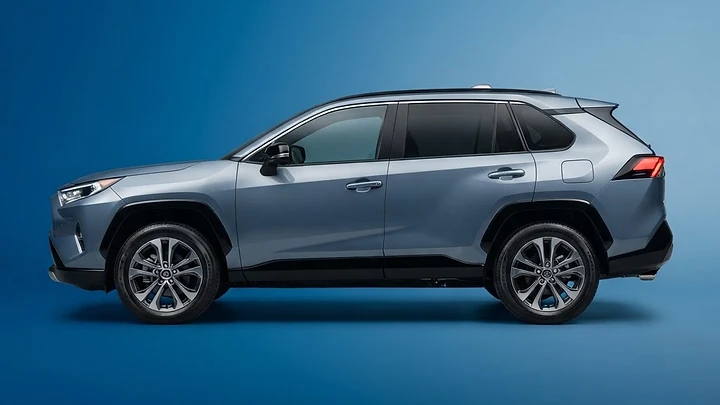
Why 2027 Is the Year of the Battery Breakthrough While we have seen incremental improvements in range for years, 2027 is shaping up to be a pivotal year.
Major manufacturers, including BYD and Chery, have announced aggressive roadmaps to integrate solid-state cells into production vehicles. The goal is to achieve energy densities as high as 400 Wh/kg, which would allow for ranges exceeding 1,500 kilometers (roughly 930 miles) on a single charge. While these record-breaking figures still require independent verification, the sheer scale of investment from global giants like CATL and Changan suggests that the era of range anxiety is nearing its end. 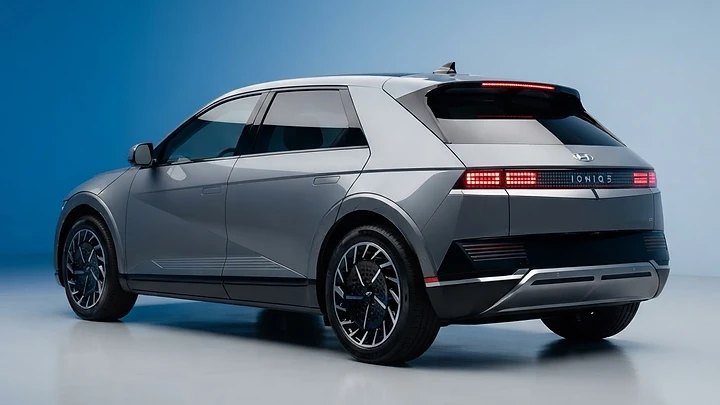

Faster Charging: The 10-Minute Reality One of the biggest hurdles for EV adoption has been the time spent at charging stations.
Current fast-charging technology often requires 30 to 45 minutes to reach an 80% charge. Solid-state technology aims to slash this time to under ten minutes. Imagine the freedom of a road trip where your "fueling" stops are no longer than a standard gas station visit. This efficiency is made possible by the higher thermal stability of solid electrolytes, which can handle the intense heat generated by ultra-fast charging without degrading the battery's long-term health. 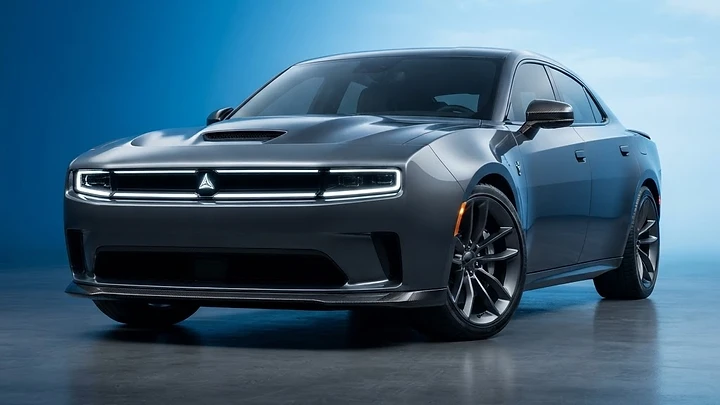

What This Means for Your Next Car Purchase If you are in the market for a new vehicle, you might be wondering if you should wait for these advancements.
While solid-state vehicles will likely enter the market in limited, premium volumes by 2027, the technology will eventually trickle down to more affordable family models. When shopping today, look for brands that are actively partnering with battery innovators like Factorial Energy or QuantumScape. These partnerships are a strong indicator that the manufacturer is committed to the next generation of electric mobility. Always prioritize transparency regarding battery warranties and long-term replacement costs, as these will remain critical factors in your total cost of ownership. 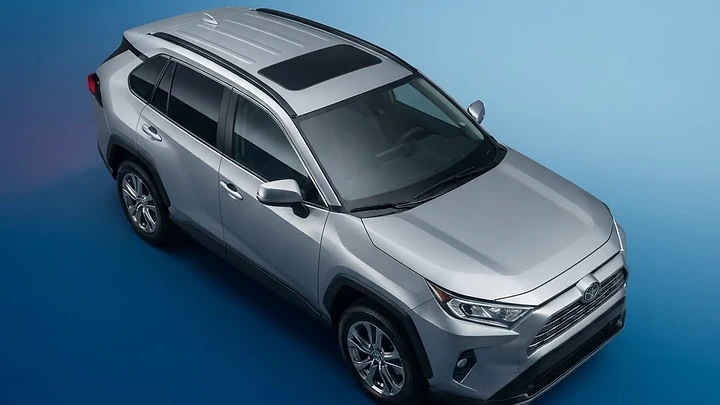

Frequently Asked Questions
Will solid-state batteries make my current EV obsolete?
Not immediately. Solid-state technology will be introduced in high-end models first. Your current EV will remain a capable, efficient vehicle for years to come, and the secondary market for lithium-ion EVs will continue to thrive. #
Are solid-state batteries safer than current batteries?
Yes. By replacing the liquid electrolyte with a solid material, the risk of fire in the event of a puncture or thermal runaway is significantly reduced, making them inherently safer. #
How much will these new EVs cost?
Initial models will likely carry a premium price tag due to the cost of new manufacturing processes. However, as production scales up toward 2030, costs are expected to drop, making them competitive with traditional EVs. #
Can I retrofit my current car with a solid-state battery?
No. Solid-state batteries require different thermal management systems and vehicle architectures. They are designed as part of the vehicle's structural integrity from the ground up.
The Bottom Line The transition to solid-state batteries is the "holy grail" of the electric vehicle movement.
While we are still in the early stages of road testing, the progress made in 2026 and 2027 is undeniable. If you need a car today, don't let the promise of future tech stop you from enjoying the excellent EVs available now. However, if you are planning a long-term purchase, keep an eye on the 2027 model year releases. The future of the open road is becoming faster, safer, and more efficient than ever before.
The cars in this story
The real price and honest verdict on each one
Every model, side by sideMore car news

Hybrid vs Plug-in Hybrid: The 2026 Honest Buyer’s Guide
Confused by hybrid options? We break down the real-world costs, reliability, and driving habits to help you choose the right 2026 hybrid for your lifestyle.

Hybrid vs Gas: The 2026 Honest Buyer’s Guide to Savings
Is a hybrid worth the extra cost in 2026? We break down the real-world fuel savings, depreciation, and ownership costs to help you make the right choice.

Solar-Powered Cars: The 2026 Honest Buyer’s Reality Check
Are solar-powered cars worth the hype in 2026? We break down the reality of solar roofs, charging efficiency, and whether they actually save you money.