The True Cost of Car Ownership: 2026 Honest Buyer’s Guide
Think the sticker price is all you'll pay? Discover the real, hidden costs of car ownership in 2026 and learn how to protect your wallet before you buy.
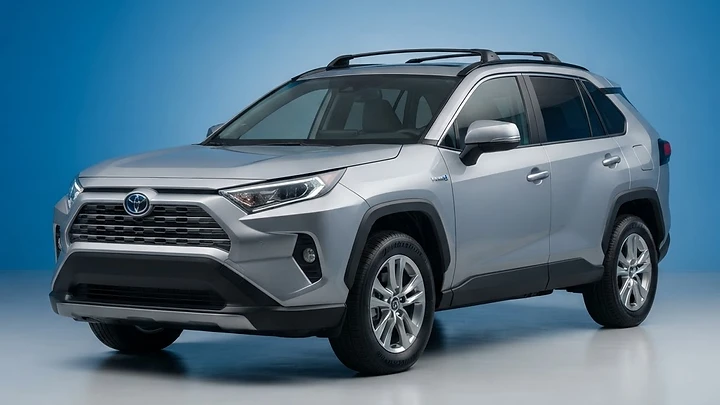
There is a specific, quiet magic to the first time you pull a new car out of the dealership lot. The scent of fresh materials, the crisp response of the steering, and the promise of thousands of miles of open road ahead—it is a moment of pure, unadulterated potential. Yet, for many American buyers, that feeling is quickly eclipsed by the cold reality of the monthly payment and the creeping realization that the sticker price was merely the entry fee. In 2026, the true cost of car ownership has evolved, with average annual expenses reaching over $12,000 when you factor in depreciation, insurance, and maintenance. Understanding these numbers isn't about killing the joy of a new vehicle; it is about ensuring that your dream car doesn't become a financial anchor.
Depreciation: The Silent Wealth Killer Depreciation remains the undisputed king of ownership costs, often accounting for 45% to 60% of your total outlay over a decade.
While we often focus on the monthly loan payment, the real loss happens the moment you drive off the lot. In 2026, vehicles like the 2026 Toyota RAV4 continue to hold value better than average due to their reputation for longevity, whereas some luxury models see steeper initial drops. To mitigate this, look for vehicles with high residual value ratings and avoid over-optioning your trim levels with features that don't add long-term resale appeal. 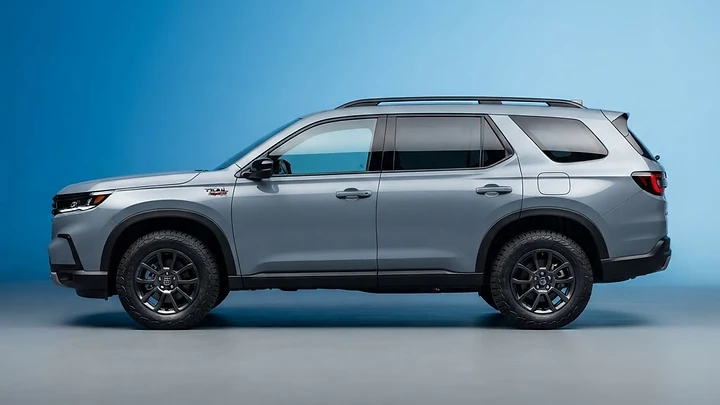
Fuel and Energy: The Variable Reality Whether you are fueling a 2026 Honda Pilot or charging an electric vehicle, energy costs are a significant variable in your annual budget.
While EVs often boast lower routine maintenance costs—no oil changes or spark plugs—the initial purchase price and insurance premiums can sometimes offset those savings. For the average driver, the math is shifting. If you drive high mileage, the efficiency of a hybrid or EV becomes a powerful tool to lower your total cost of ownership. However, if your commute is short, the lower entry price of a gas-powered sedan might still be the smarter financial play. 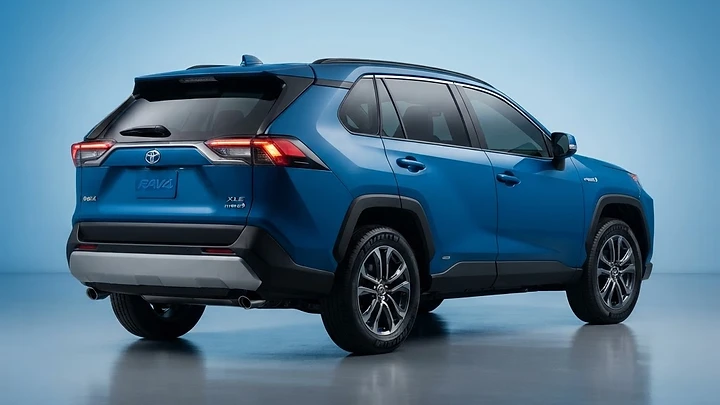

Maintenance and Repairs: The Back-Loaded Reality Many buyers forget that maintenance costs are back-loaded.
During the first four years, you are likely covered by a factory warranty, keeping costs between $550 and $950 annually. But as you enter the transition years—years five through seven—those costs can balloon to $2,600 or more. Choosing a vehicle with a proven track record for reliability is the single most effective way to keep these costs in check. Don't just look at the car; look at the cost of common wear-and-tear items like tires and brakes for that specific model. 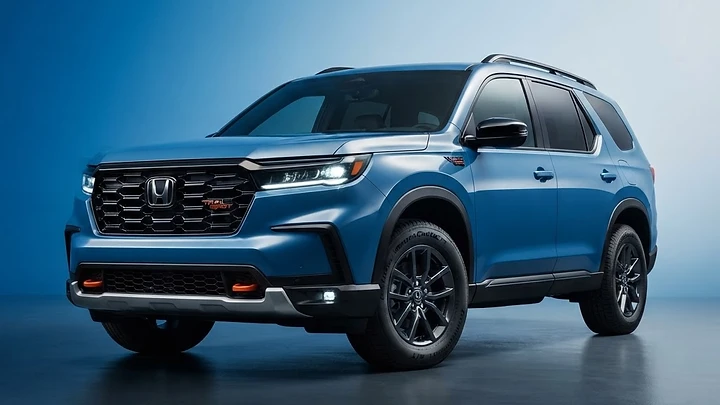

Insurance and Financing: The Hidden Premiums Insurance rates have climbed in 2026, and the type of vehicle you choose plays a massive role in your monthly premium.
Advanced safety tech, while excellent for protection, can be expensive to repair, which insurers factor into your rates. When shopping, ask your insurance provider for a quote on the specific VIN or model you are considering. Furthermore, financing terms are critical; stretching a loan to 72 or 84 months to lower the monthly payment often results in paying thousands more in interest, effectively increasing the total cost of the vehicle significantly. 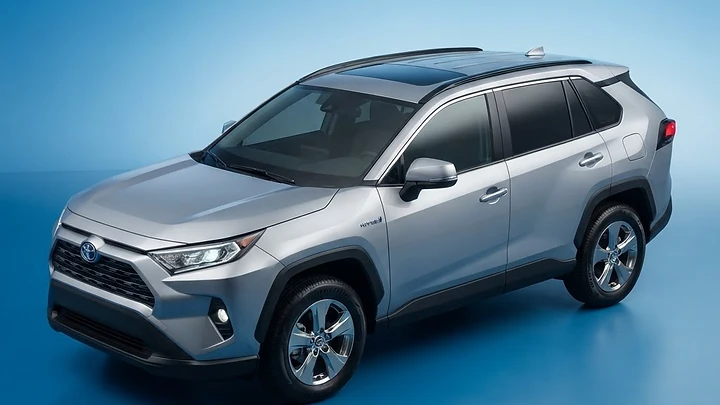

Frequently Asked Questions
What is the biggest factor in the total cost of car ownership?
Depreciation is the largest expense, typically accounting for more than half of your total ownership costs over the first five years. #
Do electric vehicles really save money on maintenance?
Yes, EVs generally have lower maintenance costs because they lack complex internal combustion components like oil systems, transmissions, and exhaust parts. #
How can I lower my insurance costs before buying?
Choose a vehicle with high safety ratings and lower repair costs, and always get an insurance quote for the specific model before signing the purchase agreement. #
Is it better to buy a new or used car to save money?
Buying a 2-3 year old used car allows the first owner to take the biggest hit on depreciation, which is often the most effective way to lower your total cost of ownership.
The Bottom Line The true cost of car ownership in 2026 is a complex puzzle, but it is one you can solve with transparency and research.
Prioritize reliability, account for the long-term depreciation curve, and be honest about your driving habits. If you choose a vehicle like the 2026 Toyota RAV4 for its resale value or a 2026 Honda Pilot for its family utility, you are making a decision based on data, not just emotion. Buy smart, drive with confidence, and keep your financial future as clear as the road ahead.
The cars in this story
The real price and honest verdict on each one
Every model, side by sideMore car news

Used Hybrid Cars: The 2026 Honest Buyer’s Guide
Considering a used hybrid? Discover why these fuel-efficient vehicles are trending in 2026 and how to find a reliable deal without overpaying.

2026 Car Buying: How to Navigate High Prices and Tech
Buying a car in 2026? Discover how to navigate record-high prices, essential tech features, and shifting market trends to secure the best deal for your needs.

Software-Defined Cars: The 2026 Honest Buyer’s Guide
Are software-defined cars worth the hype? Discover how over-the-air updates and subscription features are changing the 2026 car buying experience.