Used EV Buying Guide: Is Battery Health a Dealbreaker in 2026?
Thinking of buying a used EV? Discover the truth about battery health, degradation rates, and how to score a reliable electric vehicle deal in 2026.
There is a quiet revolution happening on the open road, one defined not by the roar of an engine, but by the seamless, silent surge of electric torque. As you pull onto the highway, the world blurs into a streak of color, and you realize that the future of driving isn't just about efficiency—it's about a new kind of freedom. For many American families, the dream of owning an electric vehicle (EV) has felt out of reach due to high sticker prices. However, in 2026, the landscape has shifted dramatically. With a record number of off-lease vehicles hitting the market, buying a used EV is no longer a gamble; it is a strategic financial move. But the question that keeps every savvy buyer up at night remains: what about the battery?
The Reality of EV Battery Degradation in 2026 Many shoppers fear that a used electric car is a ticking time bomb of battery failure.
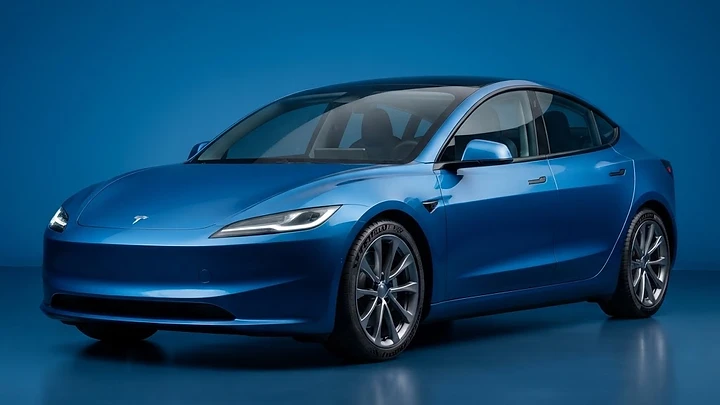
The data, however, tells a much more optimistic story. After analyzing over 1 billion miles of real-world driving, experts have found that modern EV batteries are remarkably resilient. On average, you can expect a degradation rate of just 1.5% to 2.3% per year under normal driving conditions. This means that even a three-year-old vehicle, such as a 2023 Tesla Model 3 or a 2023 Hyundai Ioniq 5, likely retains over 94% of its original range. The "EV apocalypse" that some predicted simply hasn't materialized. Instead, we are seeing a robust secondary market where savvy buyers are picking up high-tech, low-mileage machines for a fraction of their original MSRP. 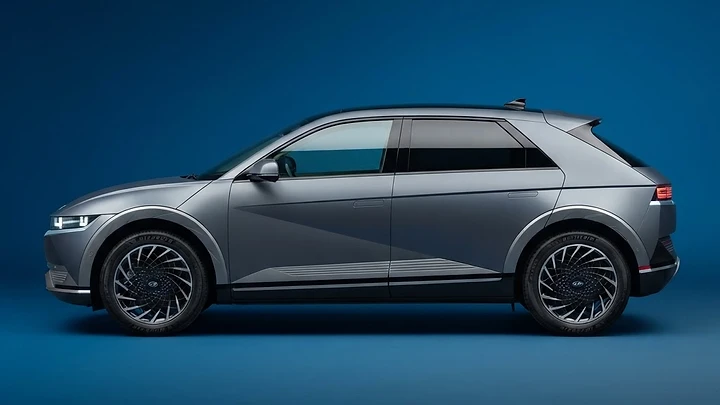
How to Inspect Battery Health Before You Buy When you walk onto a dealership lot or meet a private seller, you need to be armed with more than just a test drive.
While you cannot physically open the battery pack, you can access its digital health. Most modern EVs allow you to check the "State of Health" (SoH) through the vehicle's infotainment system or a simple OBD-II scanner. Look for a vehicle that has been primarily charged using Level 2 home charging rather than constant DC fast-charging. Research shows that frequent high-power DC fast-charging can accelerate degradation, potentially robbing a battery of an extra 10% of its life over eight years. By prioritizing cars with a history of gentle, home-based charging, you are essentially buying a battery that has been treated with care. 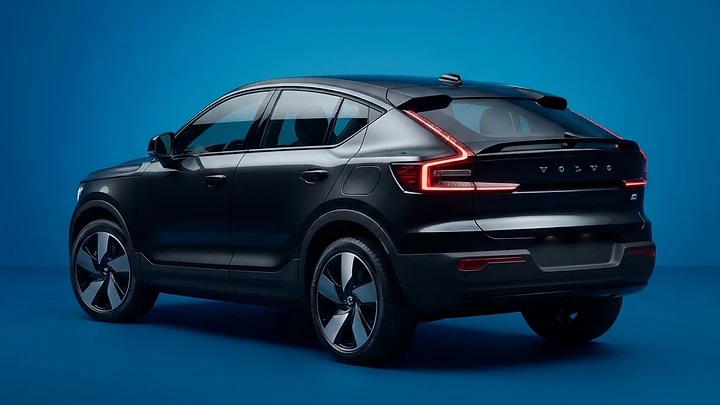

The Economic Case for Used Electric Vehicles With the average new car price hovering near $46,000, the used EV market offers a compelling alternative.
Models like the Volvo C40 Recharge and various Mercedes-Benz EQ series are seeing significant price corrections, making them accessible to a wider range of budgets. When you factor in the lack of oil changes, fewer moving parts, and the lower cost of electricity compared to gasoline, the long-term ownership value becomes clear. A used EV isn't just a car; it's a hedge against volatile fuel prices and a way to reclaim your monthly budget without sacrificing the premium driving experience you deserve. 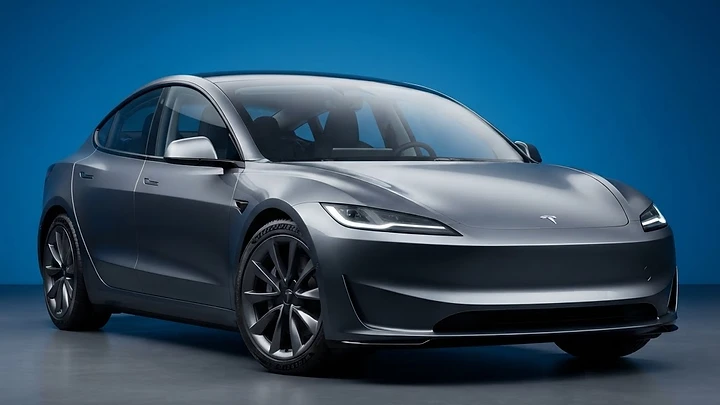

Frequently Asked Questions
Is it safe to buy a used EV with over 50,000 miles?
Yes, provided the battery health report shows minimal degradation. Many EV batteries are engineered to outlast the vehicle itself, often performing well beyond 150,000 miles.
Does cold weather permanently damage an EV battery?
Cold weather temporarily reduces range due to chemistry, but it does not cause permanent degradation. Once the temperature rises, your range will return to normal.
Should I avoid cars that were used for ride-sharing?
It is best to be cautious. Ride-sharing vehicles often rely heavily on DC fast-charging, which can lead to higher-than-average battery stress. Always request a battery health report for these specific units.
What is the best way to charge a used EV to keep it healthy?
Stick to Level 2 charging at home for your daily needs. Reserve DC fast-charging for long road trips to minimize thermal stress on the battery cells. 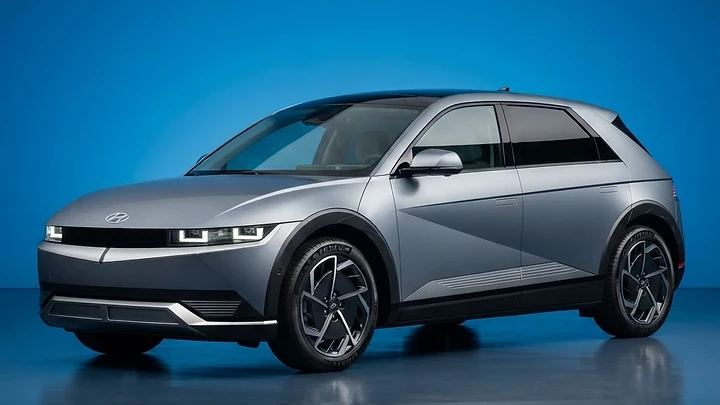

The Bottom Line Buying a used EV in 2026 is one of the smartest financial decisions a car buyer can make.
By focusing on vehicles with a documented history of home charging and verifying the battery's state of health, you can secure a reliable, high-performance machine that will serve your family for years to come. Don't let the myths of battery failure hold you back from the quiet, powerful, and efficient future of driving. Do your homework, check the data, and enjoy the road ahead.
The cars in this story
The real price and honest verdict on each one
Every model, side by sideMore car news

EV Tires: The 2026 Honest Buyer’s Guide to Replacement
Confused about EV tires? Learn why electric vehicles wear tires differently and how to choose the right replacements to maintain range, safety, and comfort.

Hybrid vs Gas: The 2026 Honest Buyer’s Guide to Savings
Is a hybrid worth the extra cost in 2026? We break down the real-world math, maintenance, and ownership costs to help you make the right choice.

Buying a Hybrid in 2026: The Honest Buyer’s Reality Check
Thinking about a hybrid? With gas prices fluctuating and tax credits gone, here is the honest truth about buying a hybrid car in 2026 to save you money.